
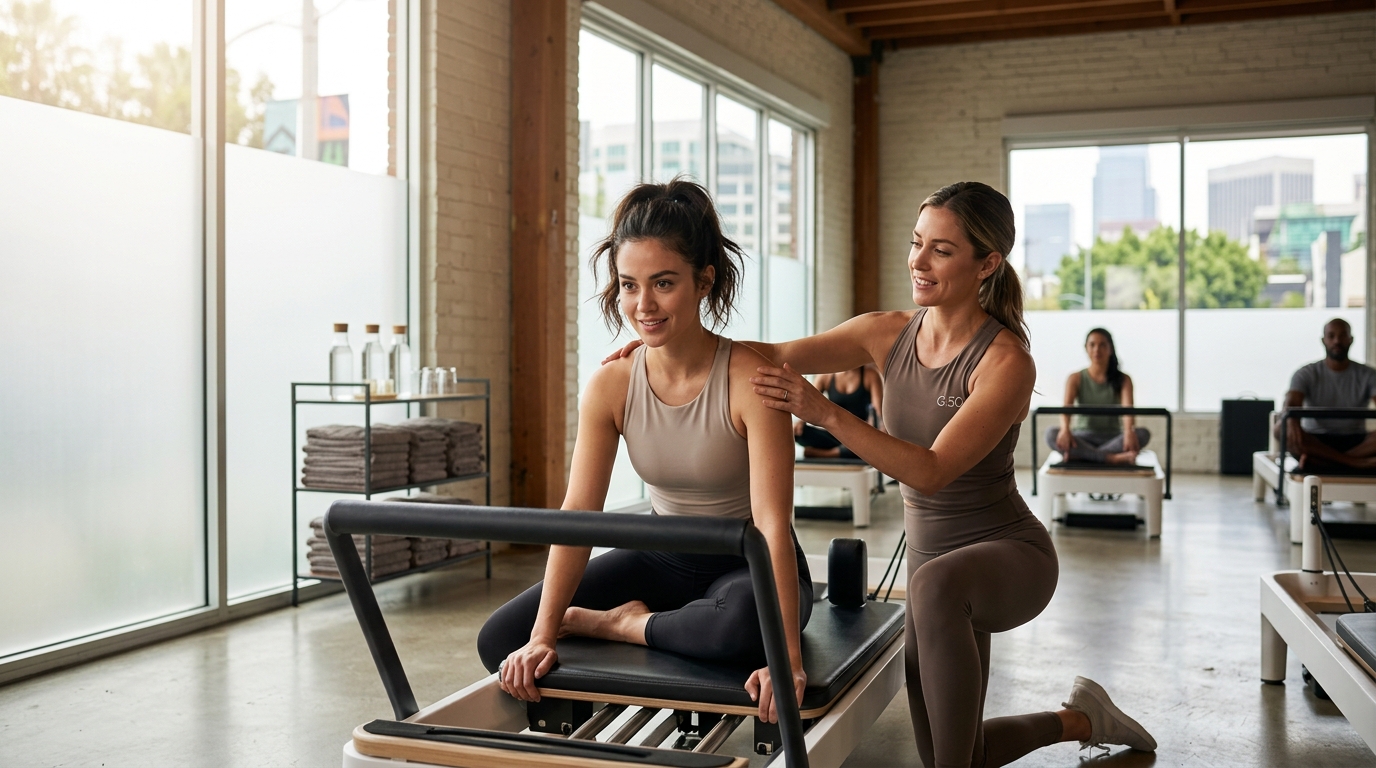
Ultimate Guide to Choosing a Beginner Pilates Studio in West Hollywood
How to Choose a Studio
High-Intensity Interval Pilates is a training method that combines slow, controlled movements with significant resistance to build strength and endurance. When selecting a studio, look for coaches who prioritize technique over speed. A reputable facility will emphasize alignment and intelligent progression rather than simply pushing clients to exhaustion. The environment should feel supportive, with clear communication about what to expect during the first session. For additional details, review the .
Coaching Quality and Attention
Observe a class before purchasing a package. Watch how the instructor interacts with the room. Do they correct form individually? Do they explain the purpose of each movement? In a high-quality studio, the coach monitors every client to ensure they are working at the appropriate intensity level. This attention to detail prevents injury and ensures effective muscle engagement. For additional details, review the Customer Experience.
Equipment and Space
The type of equipment used matters. Studios may use standard reformers or custom-built resistance machines. Ensure the equipment is well-maintained and that the studio has enough space for safe movement. A crowded room can compromise form and safety. Look for a clean, organized space that allows for proper breathing and movement flow. For additional details, review the Frequently Asked Questions.
Questions to Ask Before Committing
Before signing up, ask specific questions to gauge the studio's approach. Inquire about the coach's certification and experience with beginners. Ask how they modify exercises for different fitness levels. Understanding the class structure helps you prepare mentally and physically for the session. For additional details, review the About.

Class Structure and Progression
Ask how a beginner's class differs from an advanced one. A good studio will have a clear progression path. They should explain how they introduce new movements and how they track your progress over time. This transparency helps you understand what to expect in your first month versus your first year.
Coach-to-Client Ratio
Verifying Credentials and Claims
Pilates certification is a formal qualification that verifies a coach's knowledge of Pilates principles and safety standards. Not all certifications are equal. Research the specific certifying body to understand their requirements. A legitimate coach will be transparent about their credentials and willing to share their background.
Checking Certifications
Verify the coach's certification through the issuing organization's website. Look for active status and any continuing education requirements. Be wary of studios that make vague claims about their coaches' expertise without providing verifiable credentials. Transparency is a key indicator of a professional operation.
Reading Reviews
Read recent reviews from other clients. Look for patterns in the feedback. Are clients praising the coaching quality? Do they mention feeling supported as beginners? Consistent positive feedback about form correction and individual attention is a strong signal of a high-quality studio.
The Beginner Onboarding Process
Most reputable studios begin with an assessment or introductory session. This allows the coach to understand your fitness level, any limitations, and your goals. The first few classes focus on learning basic movements and building a foundation. You will learn how to engage your core and maintain proper alignment under resistance.
The First Session
Expect a slower pace in your first class. The focus is on learning the movements, not on intensity. The coach will guide you through each exercise, explaining the cues and what you should feel. This is a learning phase, so be patient with yourself. The goal is to build a solid foundation for future progress.
Progression Over Time
As you become comfortable with the basics, the coach will gradually increase the intensity and complexity of the exercises. This progression is individualized based on your response to the training. You will move from basic movements to more challenging combinations, always with an emphasis on proper form.
Understanding Pricing Structures
Pilates studio pricing is determined by factors such as class size, equipment quality, coach expertise, and location. Prices can vary significantly between studios. Understanding what drives the cost helps you make an informed decision. Look for value in terms of coaching quality and results, not just the lowest price.
Package Options
Value vs. Price
A higher price does not always mean better quality, but a very low price may indicate less experienced coaching or less attention to detail. Consider the overall value proposition. A studio with experienced coaches and a strong focus on form may be worth a higher investment. Evaluate the cost in the context of the quality of instruction and support you receive.
Common Beginner Mistakes
Many beginners make mistakes that can hinder their progress or lead to frustration. Understanding these common pitfalls helps you avoid them. The most frequent error is focusing on intensity over form. Another is comparing your progress to others in the class. Each person's journey is unique, and progress is individual.
Ignoring Form for Intensity
It is tempting to push harder, but sacrificing form for intensity can lead to ineffective training or injury. Always prioritize proper alignment and control. If you feel pain or discomfort, inform the coach immediately. They can modify the exercise to ensure you are working safely and effectively.
Inconsistent Attendance
Consistency is key to seeing results. Missing classes regularly can slow your progress. Aim for a sustainable schedule that fits your lifestyle. Even two or three classes per week can lead to significant improvements over time. Consistency builds the habit and allows your body to adapt to the training.
Pilates vs. Other Fitness Options
| Primary Focus | Core strength, flexibility, control | Cardiovascular endurance | Muscle strength and hypertrophy |
| Intensity | Moderate to high, controlled | High, sustained | High, variable |
| Equipment | Reformer, tower, mat | Treadmill, bike, rowing machine | Free weights, machines |
| Best For | Posture, core stability, rehabilitation | Weight loss, heart health | Muscle building, strength |
Choosing the Right Modality
If your goal is to improve posture and core stability, Pilates is an excellent choice. If you are looking for high-intensity cardio, traditional cardio may be more suitable. Many people combine different modalities for a well-rounded fitness routine. Consider your primary goals when selecting a fitness approach.
Tailoring the Approach to Your Situation
Your specific situation can influence how you approach Pilates. Factors such as age, fitness level, and any existing conditions play a role. A good studio will tailor the training to your individual needs. This personalized approach ensures that you can train safely and effectively.
For Sedentary Individuals
If you have been sedentary, start with a lower intensity and focus on building a foundation. The coach will guide you through basic movements and gradually increase the challenge. This approach helps your body adapt to the new demands without overwhelming it. Patience is key in the early stages.
For Active Individuals
If you are already active, you may be able to handle a higher intensity from the start. However, it is still important to focus on form and control. The coach will assess your fitness level and adjust the training accordingly. This ensures that you continue to challenge yourself while maintaining proper technique.
Safety Standards and Client Rights
Safety is a top priority in any fitness studio. Coaches are trained to identify potential risks and modify exercises as needed. You have the right to a safe and supportive environment. If you feel uncomfortable or unsafe, do not hesitate to speak up. A reputable studio will respect your boundaries and adjust the training accordingly.
Informed Consent
Before starting any new exercise, ensure you understand what is expected of you. If you have any medical conditions or injuries, inform the coach. They can provide appropriate modifications or recommend consulting with a healthcare professional. Informed consent is a fundamental part of a safe training environment.
Right to Modify
You have the right to modify or stop an exercise if it feels uncomfortable or painful. The coach should respect your decision and offer alternatives. This ensures that you can continue training safely and effectively. Communication is key to a positive experience.
West Hollywood Specifics
Proximity and Convenience
Choosing a studio close to your home or work can make it easier to maintain consistency. Consider the commute time and parking options. A convenient location can help you stick to your schedule, especially on busy days. Factor in these practical considerations when making your decision.
Community and Culture
Each studio has its own culture and community. Some may be more focused on high-intensity training, while others may emphasize a more relaxed atmosphere. Choose a studio that aligns with your personal preferences and goals. A supportive community can enhance your experience and motivation.
Optimal Timing for Starting
There is no perfect time to start Pilates, but certain factors can influence your decision. Consider your schedule and energy levels. Starting at a time when you are most likely to be consistent can improve your chances of success. Avoid starting during a particularly busy or stressful period if possible.
Seasonal Considerations
Some people prefer to start at the beginning of a new season or year. This can provide a sense of renewal and motivation. However, the best time to start is when you are ready and committed. Do not wait for the perfect moment. Take the first step when you feel prepared.
Schedule Alignment
Align your class schedule with your daily routine. Choose times that are realistic and sustainable. Consistency is more important than perfection. A schedule that fits your life will help you maintain your commitment over the long term.
Long-Term Progression and Results
Progress in Pilates is gradual and individual. You may notice improvements in posture, flexibility, and core strength within the first few weeks. Over time, you will see continued improvements in strength and endurance. Long-term consistency is key to achieving your goals. Be patient with yourself and trust the process.
Short-Term Goals
In the first month, focus on learning the movements and building a foundation. You may experience some muscle soreness, which is normal. This is a sign that your body is adapting to the new training. Stay consistent and listen to your body. Short-term goals help you stay motivated and track your progress.
Long-Term Goals
Over several months, you will see significant improvements in strength and control. You may be able to perform more complex movements and handle higher intensity. Long-term goals provide a sense of direction and purpose. Set realistic goals and celebrate your achievements along the way.
Key Takeaways
- Choose a studio that prioritizes form and coaching quality over intensity.
- Verify coach credentials and read recent reviews before committing.
- Ask specific questions about class structure and progression.
- Understand the pricing structure and what drives the cost.
- Avoid common mistakes such as ignoring form for intensity.
- Compare Pilates to other fitness options to determine the best fit.
- Tailor the approach to your specific situation and goals.
- Be patient and consistent for long-term progress and results.
Frequently Asked Questions
Is Pilates suitable for complete beginners?
Yes, Pilates is suitable for complete beginners. A good studio will provide a structured onboarding process that focuses on learning basic movements and building a foundation. The intensity can be adjusted to match your fitness level, ensuring a safe and effective start.
How often should I attend classes as a beginner?
As a beginner, aim for two to three classes per week. This frequency allows your body to adapt to the new training while providing enough consistency to see progress. Adjust the frequency based on your schedule and how your body responds.
What should I wear to a Pilates class?
Wear comfortable, form-fitting clothing that allows for a full range of motion. Avoid loose clothing that may get caught in the equipment. Bring a water bottle and a towel. Some studios may require specific footwear, so check their policy in advance.
How long does it take to see results?
Results vary by individual, but many people notice improvements in posture and core strength within the first few weeks. Significant changes in strength and endurance may take several months of consistent training. Patience and consistency are key to achieving long-term results.
Can I do Pilates if I have an injury?
If you have an injury, consult with a healthcare professional before starting Pilates. A qualified coach can provide modifications to ensure you train safely. Inform the coach of any injuries or limitations so they can adjust the exercises accordingly.
What is the difference between mat Pilates and reformer Pilates?
How do I know if a studio is reputable?
Look for a studio with certified coaches, positive reviews, and a clear focus on form and safety. Visit the studio and observe a class before committing. A reputable studio will be transparent about their credentials and willing to answer your questions.
Can I combine Pilates with other forms of exercise?
Yes, Pilates can be combined with other forms of exercise for a well-rounded fitness routine. Many people combine Pilates with cardio or weight training. This approach can help you achieve a variety of fitness goals, including strength, endurance, and flexibility.