
How to Choose a Fitness Venue
Selecting the right workout space requires looking beyond marketing materials. A good fitness venue prioritizes coaching quality, equipment maintenance, and a clear methodology. In the West Hollywood area, options range from large commercial gyms to boutique studios like G:50 Studio. The primary differentiator is the ratio of coach attention to client count. Large gyms often have open floor plans with minimal supervision, while boutique studios enforce strict class sizes to ensure form correction. For additional details, review the .
Coaching and Methodology
Coaching is the active ingredient in any fitness program. A venue with a defined methodology, such as High-Intensity Interval Pilates (HIIP), ensures that movements are performed with specific intent. HIIP is a Pilates-based strength workout that utilizes custom-built resistance machines to create controlled, high-intensity intervals. This approach differs from free-weight training by focusing on slow, controlled movements that maximize muscle engagement. When evaluating a venue, observe how coaches interact with clients during a class. Do they correct form in real-time? Do they adjust resistance based on individual capability? For additional details, review the Customer Experience.
Equipment and Environment
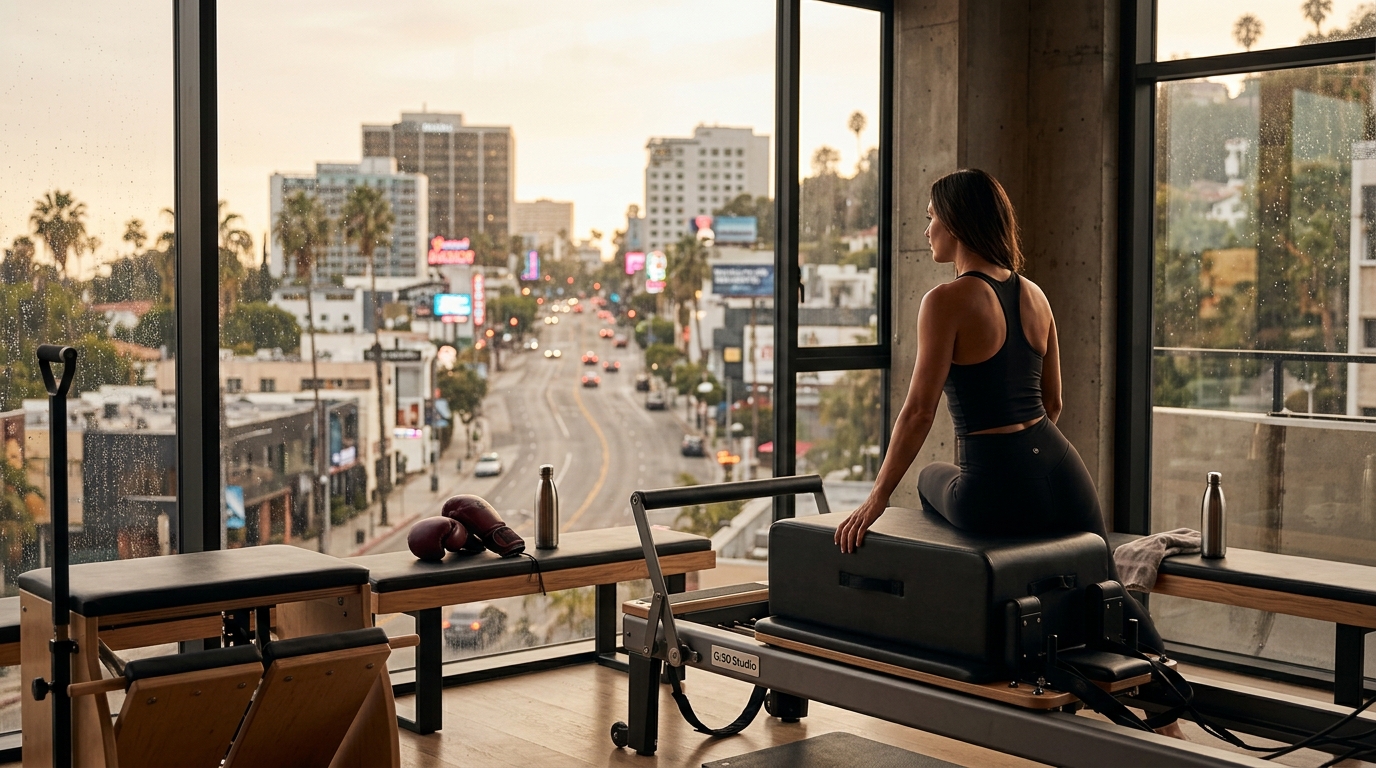
The physical environment impacts your ability to focus. Boutique studios often invest in specialized equipment, such as the G:FORMER machines used at G:50 Studio. These machines provide specific resistance profiles that standard gym equipment may not offer. The cleanliness, lighting, and sound environment also matter. A well-designed space reduces distractions and enhances the workout experience. Look for venues that maintain their equipment rigorously, as broken or poorly maintained machines can lead to inefficient workouts or potential safety issues. For additional details, review the Frequently Asked Questions.
Questions to Ask Before Committing
Before purchasing a membership or package, ask specific questions to gauge the venue's operational standards. These questions help you understand what you are buying and whether it aligns with your goals. For additional details, review the About.

Class Structure and Size
Ask about the maximum class size. Smaller classes allow for more individual attention. Inquire about the coach-to-client ratio. A ratio of 1:10 or lower is typical for high-quality boutique studios. Ask if the class structure is fixed or if it adapts to the group's fitness levels. Adaptive programming ensures that beginners and advanced clients can work at appropriate intensities within the same session.
Coach Qualifications
Ask about the certification process for coaches. What training do they complete before leading a class? How often do they undergo continuing education? A reputable studio will have a clear pathway for coach development. Ask if you can meet with a coach before your first class to discuss your goals and any physical limitations.
Verifying Credentials and Claims
Marketing claims can be misleading. Verifying credentials ensures that the people guiding your training are qualified. This step is crucial for avoiding ineffective or unsafe training methods.
Checking Certifications
Look for certifications from recognized bodies in Pilates, boxing, or strength training. While specific certification names vary, reputable studios will list their coaches' credentials on their website or in their facility. You can cross-reference these credentials with the issuing organization's directory if available. Be wary of venues that use proprietary, unaccredited certifications without clear explanations of the training content.
Observing a Class
The Onboarding Process
Understanding the onboarding process helps you prepare for your first visit. A structured onboarding ensures that you start with the right foundation.
Initial Consultation
Most reputable studios begin with a consultation. This session covers your fitness history, goals, and any medical considerations. The coach will assess your current movement patterns and strength levels. This assessment helps determine the appropriate starting intensity and resistance settings.
First Class Experience
Your first class is often a modified version of the standard session. It may focus on learning the basic movements and breathing techniques. The goal is to build confidence and familiarity with the equipment. Subsequent classes will gradually increase in intensity as you become more proficient. The process typically takes 4 to 8 weeks to establish a solid baseline of strength and technique.
Understanding Pricing Structures
Cost is a significant factor in choosing a fitness venue. Understanding what drives the price helps you evaluate value.
Factors Influencing Price
Hidden Costs
Be aware of additional costs such as initiation fees, parking, or required gear. Some studios require you to purchase specific shoes or mats. Clarify these costs before signing up. Compare the total cost of ownership, including travel time and convenience, when evaluating different venues.
Common Mistakes to Avoid
Many new clients make mistakes that hinder their progress. Avoiding these pitfalls can save time and money.
Skipping the Assessment
Some clients skip the initial assessment to save time. This is a mistake. Without a proper assessment, you may start at an intensity that is too high or too low. This can lead to frustration or injury. Always complete the onboarding process thoroughly.
Inconsistent Attendance
Consistency is key to seeing results. Missing classes regularly breaks the momentum of your training. Plan your schedule around your classes. Treat them as non-negotiable appointments. If you miss a class, book a replacement as soon as possible.
Comparing Studio Types
| Class Size | Small (10-15) | Large (20+) | 1-on-1 |
| Coaching Attention | High | Low | Maximum |
| Equipment | Specialized | General | Varies |
| Cost per Session | Medium-High | Low | High |
| Community | Strong | Weak | Individual |
Choosing for Specific Needs
Your specific fitness goals and lifestyle should influence your choice.
For Beginners
For Busy Professionals
Consumer Protections and Rules
Understanding your rights as a consumer helps you make informed decisions.
Contract Terms
Liability Waivers
Most fitness venues require you to sign a liability waiver. This document limits the venue's liability for injuries that occur during your workout. Read the waiver carefully to understand what it covers. Consult with a legal professional if you have concerns about the terms.
West Hollywood Specifics
The West Hollywood area has unique characteristics that affect your fitness choices.
Location and Accessibility
Community and Culture
West Hollywood has a vibrant fitness culture. Many residents are health-conscious and active. This creates a supportive community for fitness enthusiasts. The area is home to a variety of boutique studios, each with its own unique focus. This diversity allows you to find a venue that aligns with your specific preferences.
Timing Your Decision
Timing can impact the value you get from a fitness membership.
Seasonal Promotions
Life Changes
Expecting Long-Term Results
Fitness results are a long-term process. Setting realistic expectations helps you stay motivated.
Short-Term Gains
In the first 4 to 8 weeks, you will likely experience improved energy levels and better sleep. You may also notice increased muscle tone and strength. These early gains are a sign that your body is adapting to the new training stimulus.
Long-Term Progress
Over several months, you will see more significant changes in body composition and strength. Consistency is the key to long-term success. Track your progress using metrics such as strength gains, endurance, and body measurements. Celebrate small victories along the way. Remember that individual results vary, and progress is not always linear.
Key Takeaways
- Choose a venue with a clear methodology and experienced coaches.
- Ask specific questions about class size, coaching qualifications, and pricing.
- Verify credentials by observing a class and checking certifications.
- Complete the onboarding process to ensure a proper starting point.
- Understand the total cost, including hidden fees and parking.
- Avoid common mistakes like skipping assessments and inconsistent attendance.
- Compare boutique studios, commercial gyms, and personal training to find the best fit.
- Consider local specifics like parking and community when choosing a venue.
Frequently Asked Questions
What is HIIP?
HIIP is High-Intensity Interval Pilates, a workout that combines Pilates movements with high-intensity intervals on specialized resistance machines.
How many classes per week should I take?
Most clients take 2 to 3 classes per week to see optimal results. Beginners may start with 1 to 2 classes per week.
Is G:50 Studio suitable for beginners?
How much does a class cost?
Pricing varies by package and location. Check the studio's website for current rates and package options.
Do I need to book in advance?
Yes, most boutique studios require advance booking. Popular classes may fill up quickly, so book as early as possible.
What should I wear to a class?
Wear comfortable, form-fitting athletic wear that allows for a full range of motion. Closed-toe shoes are typically required for safety.