
Top-Rated High-Intensity Pilates Studios with Private Coaching in 2026
How to Choose the Right Studio
Equipment Quality and Customization
Coaching Philosophy
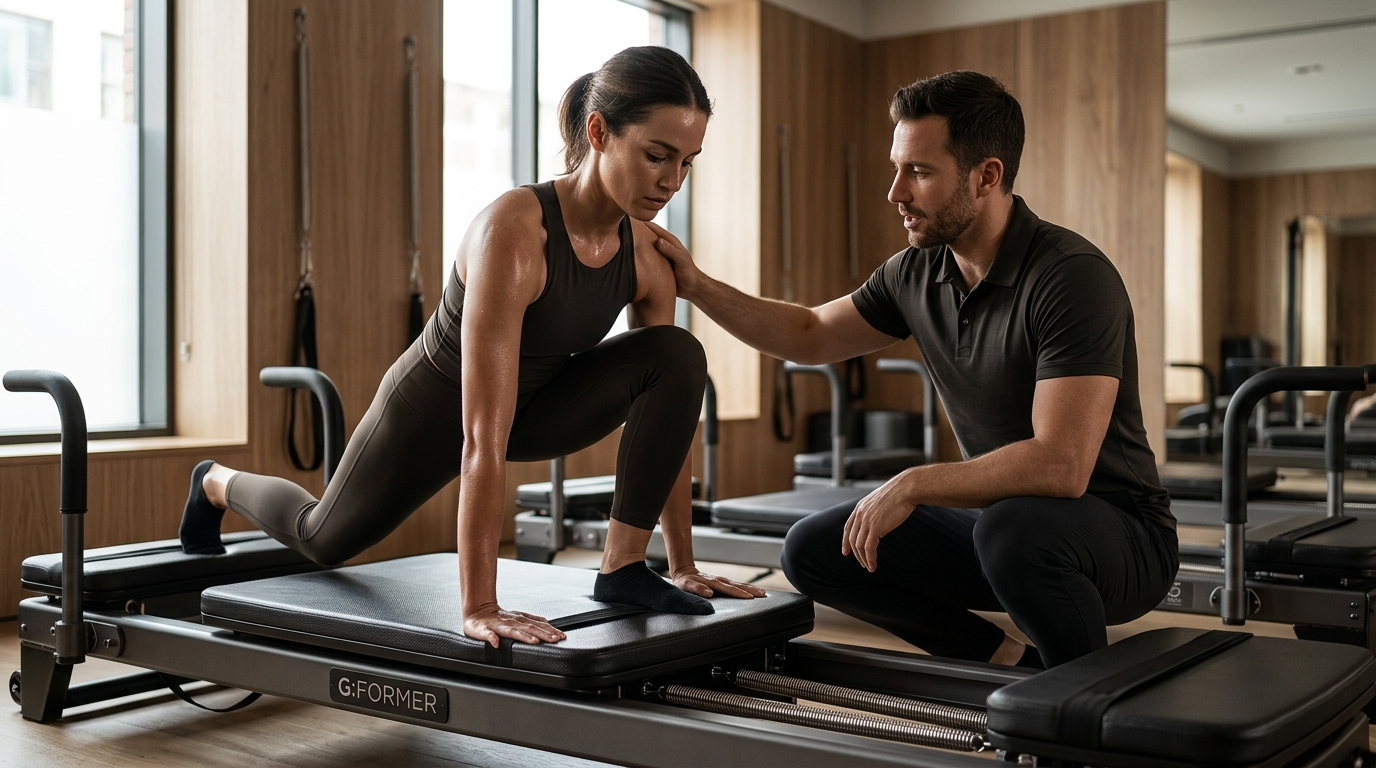
Private coaching in this context is not just about spotting. It is about intelligent progression. Coaches must understand biomechanics and how to push a client through a high-intensity interval without compromising form. Look for studios that emphasize alignment and control over speed. The intensity should come from the resistance and the interval structure, not from sloppy movement. For additional details, review the .
Questions to Ask Before Committing
Before purchasing a package, you need to understand the operational details of the coaching. Ask these specific questions to gauge the studio's professionalism and fit for your goals. For additional details, review the Customer Experience.
- What is the coach-to-client ratio? In private sessions, it should be one-on-one. In small group settings, verify the maximum number of clients per coach. For additional details, review the Frequently Asked Questions.
- How is progression tracked? Ask if they use data, notes, or specific benchmarks to measure your strength gains over time. For additional details, review the About.
- What is the cancellation policy? High-demand studios often have strict policies. Understand the window for rescheduling.
- Can I audit a class first? A reputable studio will allow you to observe or trial a session to see the coaching style in action.
Verifying Credentials and Claims
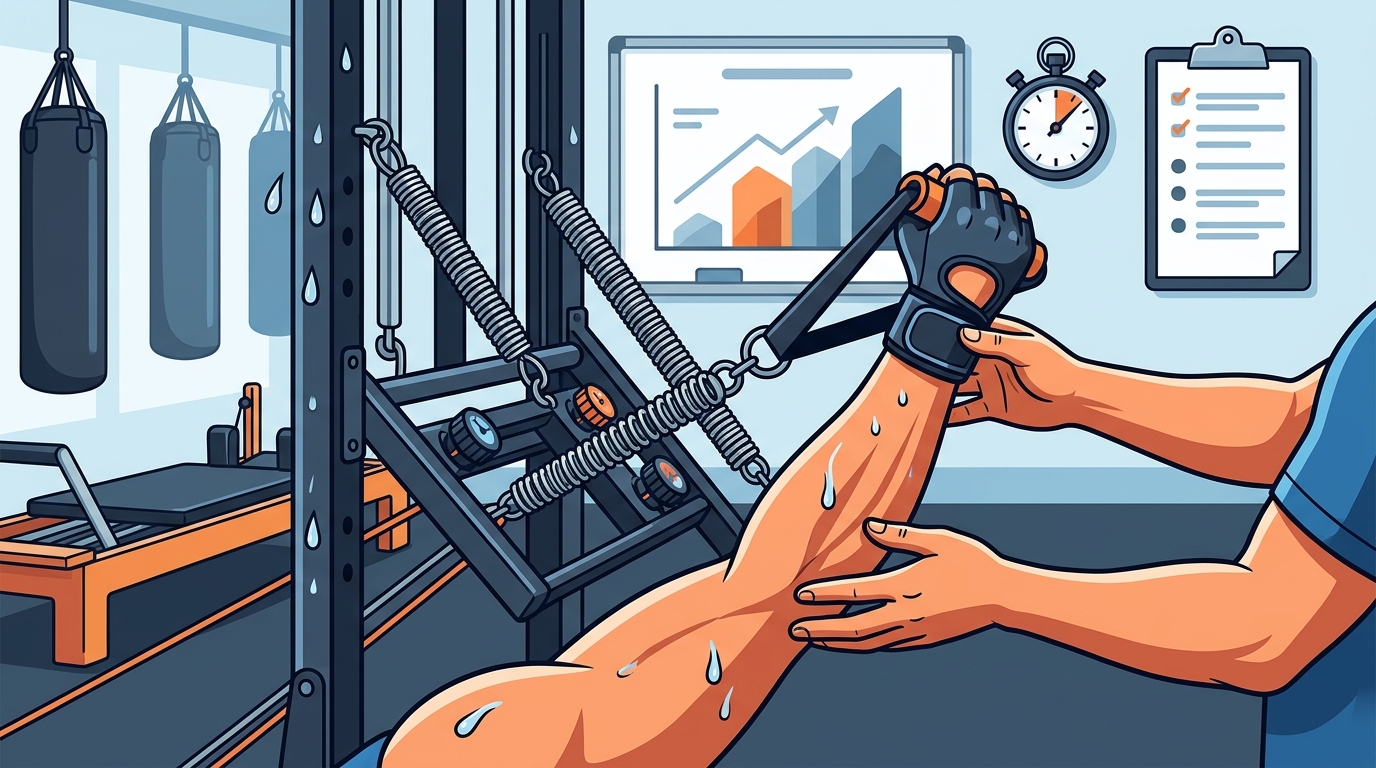
The fitness industry has low barriers to entry for coaching titles. You must verify that the coaches are qualified to handle high-intensity resistance work. Pilates certification is a baseline, but high-intensity training requires additional knowledge in strength and conditioning.
Certification Bodies
Reviewing Client Feedback
Read reviews that mention specific outcomes rather than generic praise. Look for comments about form correction, injury management, and long-term consistency. A studio that claims to be "top-rated" should have a consistent history of positive feedback regarding coaching quality, not just studio aesthetics.
The Session Structure and Timeline
Understanding the workflow helps you set realistic expectations. A typical high-intensity Pilates session follows a structured interval model. The session usually begins with a warm-up to prepare the joints and nervous system. This is followed by the main work, which consists of high-intensity intervals separated by short recovery periods.
The Interval Model
In formats like HIIP, the work-to-rest ratio is critical. You might perform a movement for 30 to 45 seconds at high resistance, followed by 15 to 30 seconds of rest. This structure keeps your heart rate elevated while allowing for the maintenance of strict form. The coach adjusts the resistance in real-time to ensure you are working at the correct intensity level.
Session Duration
Most private or small group sessions last between 45 and 60 minutes. The first 10 minutes are for assessment and warm-up. The middle 30 to 40 minutes are the core workout. The final 5 to 10 minutes are for cool-down and feedback. This timeline is consistent across most reputable high-intensity Pilates studios.
Understanding Pricing Drivers
Pricing for private coaching in high-intensity Pilates varies based on several factors. The primary drivers are the coach's experience, the studio's location, and the equipment used. Custom-built machines often command a higher price point due to the maintenance and development costs.
| Factor | Impact on Price | Detail |
|---|---|---|
| Coach Experience | High | Senior coaches with specialized training charge a premium. |
| Equipment Type | Medium | Proprietary or custom machines increase operational costs. |
| Location | High | Studios in high-cost areas like West Hollywood have higher overhead. |
While specific pricing varies, you should expect private coaching to be significantly more expensive than group classes. This is because you are paying for individualized attention and customized programming. Always ask for a breakdown of what is included in the package, such as access to other classes or digital resources.
Common Mistakes to Avoid
Many clients make errors that hinder their progress or lead to dissatisfaction. The most common mistake is prioritizing intensity over form. If a coach allows you to sacrifice alignment to hit a higher rep count, you are not getting a quality workout. You are getting a risky one.
Ignoring Recovery
High-intensity training places significant demand on the body. Clients often try to attend sessions every day. This can lead to overtraining and fatigue. A good coach will build rest days into your schedule. If a studio encourages daily high-intensity sessions without adequate recovery, be cautious.
Not Communicating Goals
Coaches cannot guess your goals. If you want to build strength, you need to say so. If you want to improve endurance, you need to specify that. Vague goals lead to generic programming. Be specific about what you want to achieve and how you want to feel during the session.
Comparing Training Modalities
| Modality | Primary Focus | Intensity Level | Best For |
|---|---|---|---|
| High-Intensity Pilates | Strength and Stability | High | Core strength, posture, controlled power |
| Traditional Boxing | Cardio and Technique | High | Endurance, coordination, stress relief |
| Weightlifting | Maximal Strength | Variable | Hypertrophy, raw strength |
| Yoga | Flexibility and Mindfulness | Low to Medium | Recovery, balance, mental focus |
Tailoring for Specific Needs
The right studio depends on your specific situation. If you are a beginner, you need a coach who is patient and focuses heavily on foundational form. If you are an advanced athlete, you need a coach who can push you to new limits safely.
Beginners
Advanced Athletes
Advanced clients need a coach who understands periodization. This is the process of planning training cycles to peak at specific times. If you are preparing for a competition or a specific event, the coach should be able to adjust the volume and intensity accordingly. Look for coaches who have experience working with athletes in your specific sport.
Client Rights and Safety Standards
Equipment Safety
Ensure that the machines are inspected regularly. Look for signs of wear and tear. The springs and cables should be in good condition. If you notice any issues, report them to the staff immediately. A professional studio will have a maintenance schedule and will address issues promptly.
Medical Clearance
If you have any pre-existing conditions, you should consult with a medical professional before starting a high-intensity program. Inform your coach of any injuries or limitations. They should be able to modify the exercises to accommodate your needs. Never hide an injury from your coach, as this can lead to further harm.
West Hollywood Studio Landscape
West Hollywood is a hub for fitness and wellness. The area is home to many high-end studios that cater to a diverse clientele. The competition is fierce, which means the quality of coaching is generally high. However, it also means that you need to be selective.
Studio Culture
Studios in West Hollywood often have a strong focus on aesthetics and community. Look for a studio that aligns with your values. Do you prefer a high-energy, competitive environment? Or do you prefer a calm, focused space? The culture of the studio will impact your experience and your ability to stay consistent.
Accessibility
Optimal Timing for Enrollment
Timing can impact your experience and your results. Enrolling at the beginning of a new season or a new year can provide a sense of motivation. However, the best time to start is when you are ready to commit to the process. Do not wait for the perfect moment. Start when you can.
Peak Seasons
Studios often have peak seasons, such as January and September. During these times, classes may be full, and it may be harder to book private sessions. If you want to secure a spot with a specific coach, consider enrolling during an off-peak period. This may also result in lower prices or promotional offers.
Personal Milestones
Align your start date with a personal milestone. This could be a vacation, a competition, or a health goal. Having a specific target in mind can help you stay motivated. Work backward from that date to determine how many sessions you need to book.
Long-Term Progression Metrics
Results in high-intensity Pilates are cumulative. You will not see dramatic changes overnight. However, over time, you will notice improvements in strength, stability, and endurance. Track your progress using specific metrics.
Strength Gains
Monitor your ability to perform movements with higher resistance. If you can perform a movement with a heavier spring or a higher tension setting, you are getting stronger. Your coach should track these gains for you. This data provides objective evidence of your progress.
Endurance Improvements
Track your ability to sustain high-intensity intervals. If you can complete more intervals with less rest, your endurance is improving. This is a key indicator of cardiovascular fitness. Over time, you should be able to maintain a higher intensity for longer periods without a drop in form.
Functional Movement
Pay attention to how you move in daily life. High-intensity Pilates improves functional movement patterns. You should notice improvements in your posture, balance, and coordination. These changes may be subtle, but they are significant. They indicate that the training is translating to real-world benefits.
Key Takeaways
- Choose a studio with specialized equipment and a strong coaching philosophy.
- Verify coach credentials and check for specific training in the equipment used.
- Ask about progression tracking and cancellation policies before committing.
- Understand the interval structure and session duration to set expectations.
- Be aware of pricing drivers, including coach experience and location.
- Avoid common mistakes like prioritizing intensity over form or ignoring recovery.
- Compare high-intensity Pilates with other modalities to find the best fit.
- Respect safety standards and communicate any injuries or limitations to your coach.
Frequently Asked Questions
What is High-Intensity Interval Pilates?
High-Intensity Interval Pilates is a training format that combines Pilates movements with interval training. It involves performing exercises at high resistance for short periods, followed by brief rest periods. This structure elevates the heart rate and increases the metabolic demand of the workout.
How is private coaching different from group classes?
Private coaching provides individualized attention and customized programming. The coach can adjust the resistance and movements in real-time based on your performance. In group classes, the coach must address the needs of the entire group, which may limit the level of personalization.
How long does it take to see results?
Results vary depending on your starting point and consistency. Most clients notice improvements in strength and stability within 4 to 6 weeks. Significant changes in body composition and endurance may take 3 to 6 months of consistent training.
Do I need to be fit to start?
No, you do not need to be fit to start. Coaches can scale the resistance and movements to match your current fitness level. The key is to start at a level where you can maintain proper form. You can progress as your strength and endurance improve.
What should I wear to a session?
Wear comfortable, form-fitting athletic wear that allows the coach to see your form. Closed-toe shoes are usually required for safety. Avoid loose clothing that may get caught in the equipment. Bring a water bottle and a towel.
Can I mix high-intensity Pilates with other workouts?
Yes, you can mix high-intensity Pilates with other workouts. However, you should manage your overall training load to avoid overtraining. A good coach can help you integrate Pilates into your existing training plan. They can adjust the volume and intensity to ensure you recover adequately.
Is high-intensity Pilates suitable for older adults?
Yes, high-intensity Pilates can be suitable for older adults. The low-impact nature of the movements makes it a safe option for those with joint issues. The focus on stability and balance can also help prevent falls. However, older adults should consult with a medical professional before starting a new exercise program. Learn more: 403 Forbidden.