
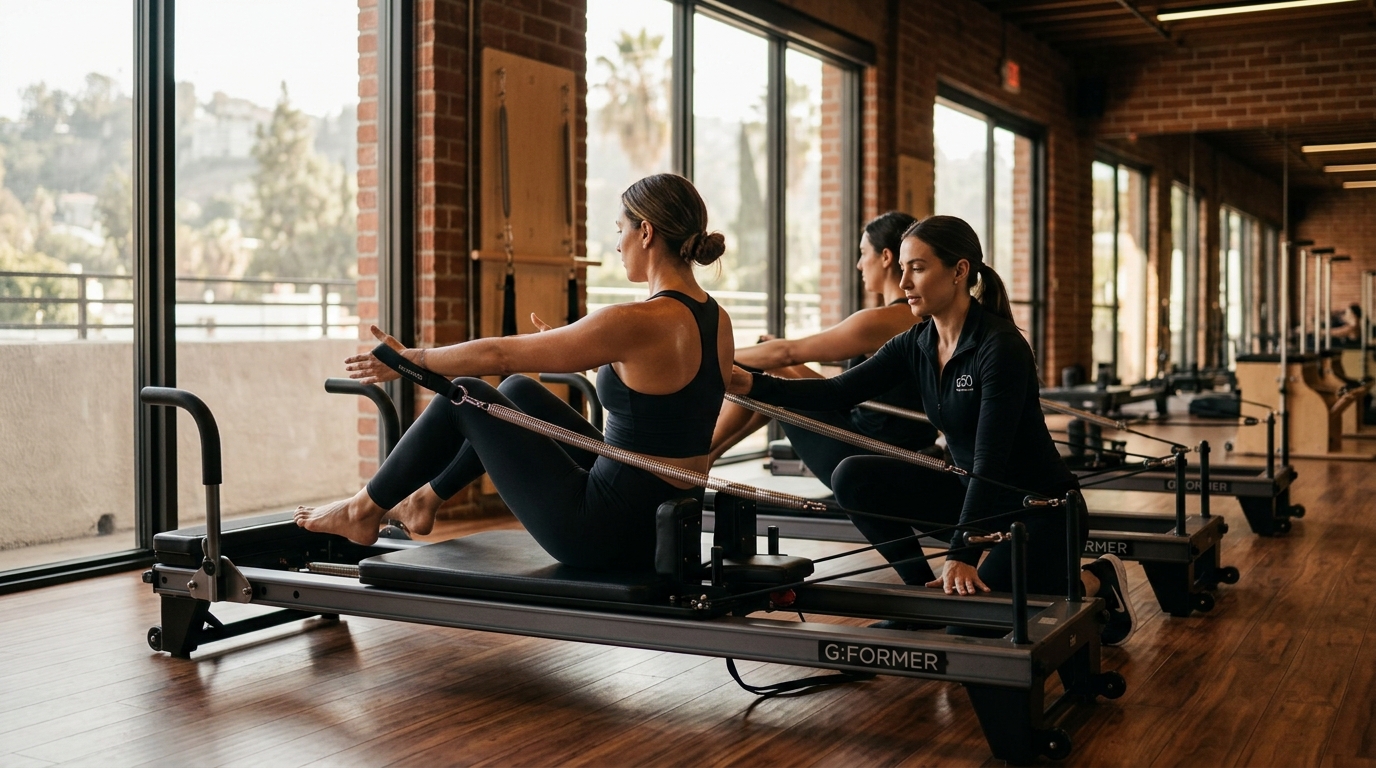
Choosing the right Pilates studio in West Hollywood requires evaluating coaching quality, equipment type, and class structure. G:50 Studio distinguishes itself through HIIP, a High-Intensity Interval Pilates method on custom G:FORMER machines, and G:LOVES Boxing. This guide covers how to evaluate studios, verify credentials, understand costs, and select the best fit for your fitness goals. For additional details, review the 403 Forbidden.
How to Choose a Studio
Studio selection hinges on three core factors: equipment quality, coaching methodology, and class intensity. Equipment type determines the resistance profile and movement range available during sessions. Reformer-based studios use sliding carriages with spring resistance, while high-intensity variants add heavier springs or custom hardware. Coaching methodology dictates whether instructors prioritize form correction, progression tracking, or group energy. Class intensity varies from gentle mat work to sweat-inducing interval training. For additional details, review the Customer Experience.
Equipment Differentiation
Coaching Philosophy
Coaching style separates studios that produce results from those that merely host classes. Look for instructors who monitor alignment, adjust resistance in real time, and provide individualized cues within group settings. At G:50 Studio, coaches focus on proper form, alignment, control, and intelligent progression. This ensures every movement has a purpose and each client works at the appropriate level for their current fitness stage. For additional details, review the Frequently Asked Questions.
Questions to Ask Before Committing
Before purchasing a package or membership, ask specific questions that reveal operational quality. These questions help you assess whether the studio matches your goals and expectations. For additional details, review the About.
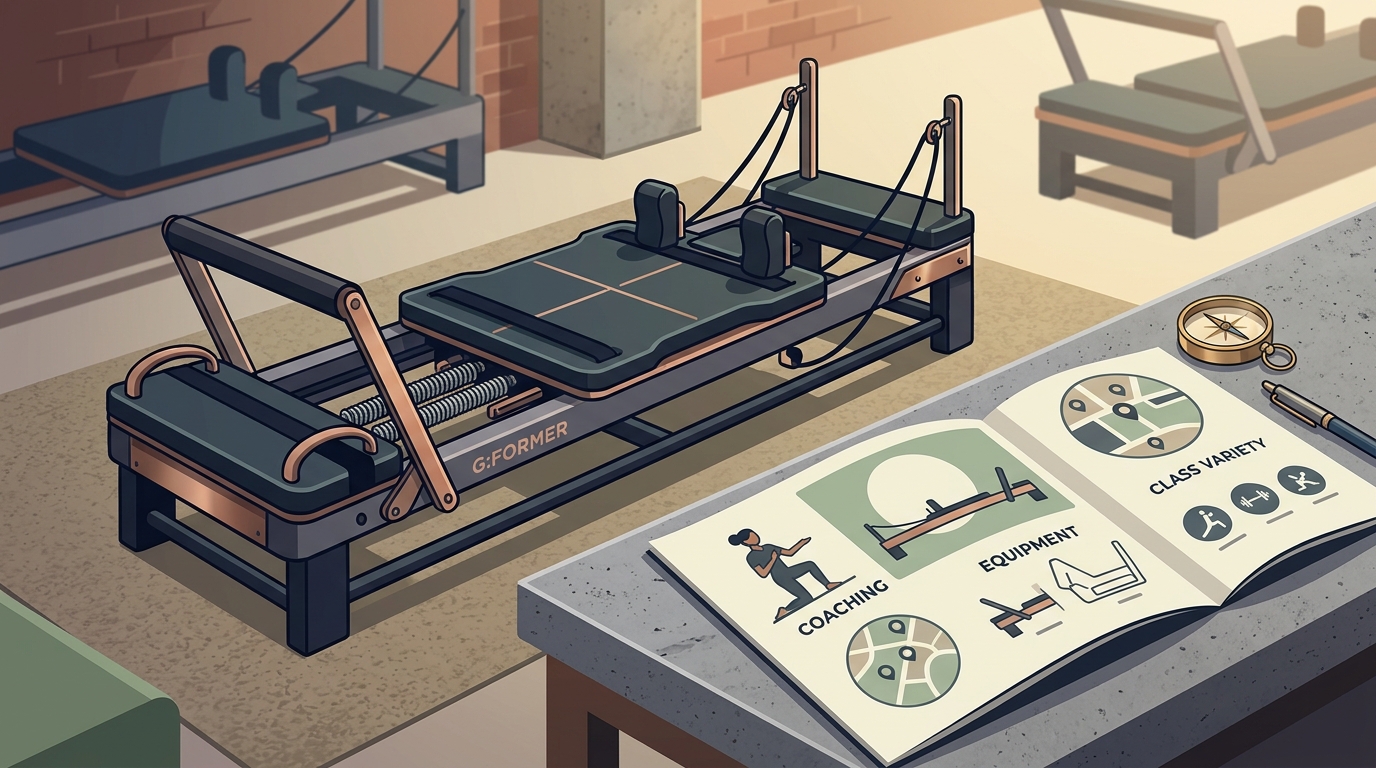
Essential Pre-Purchase Questions
- What type of equipment do you use, and is it standard or custom-built?
- How do instructors adjust resistance and progression for individual clients?
- What is the maximum class size, and how does that affect coaching attention?
- What is your cancellation and rescheduling policy?
- How do you track client progress over time?
Studios that answer these questions with specificity and transparency typically deliver higher quality experiences. Vague responses or reluctance to share operational details may indicate inconsistent coaching or unclear standards.
Verifying Credentials and Claims
Verify instructor certifications and studio claims before enrolling. Pilates certification varies by training provider and hours completed. Reputable studios display instructor credentials clearly and can explain their training background. Check whether instructors hold recognized certifications from established Pilates organizations. For studios offering high-intensity variants, verify that coaches have specific training in that methodology. G:50 Studio coaches are trained in HIIP and G:LOVES Boxing, with specific expertise in their respective disciplines.
Verify equipment claims by asking about the manufacturer or builder. Custom-built machines may not appear in standard commercial catalogs, so ask for documentation or specifications. If a studio claims proprietary technology, request details about how it differs from standard equipment. This verification step protects you from marketing language that overstates capabilities.
Class Structure and Progression
Session Progression
Progression in Pilates occurs through increased resistance, added complexity, or longer hold times. Instructors adjust these variables based on individual client readiness. A well-structured studio tracks your progress and adjusts programming accordingly. This intelligent progression ensures you continue challenging your muscles without compromising form. Expect to build foundational strength in the first few weeks, then advance to more complex movement patterns as your capacity increases.
Pricing Factors and Cost Drivers
Pilates studio pricing in West Hollywood varies based on several factors. Class size, equipment type, instructor experience, and location all influence cost. Smaller class sizes typically command higher prices because they allow more individualized attention. Custom or proprietary equipment may increase costs due to maintenance and replacement expenses. Instructor experience and certification level also affect pricing, as highly trained coaches command premium rates.
Cost Comparison Table
| Factor | Impact on Price | Typical Range |
|---|---|---|
| Class Size | Smaller classes cost more per person | Varies by studio |
| Equipment Type | Custom machines may increase cost | Varies by studio |
| Instructor Experience | Senior instructors charge premium rates | Varies by studio |
| Location | West Hollywood commands higher rents | Higher than surrounding areas |
Common Mistakes to Avoid
Several common mistakes lead to poor outcomes or wasted investment. Choosing a studio based solely on location or price without evaluating coaching quality is a frequent error. Failing to attend a trial session before committing to a package prevents you from assessing fit. Ignoring your own fitness level and selecting classes that are too advanced or too easy limits progress. Not communicating with instructors about your goals or limitations reduces the effectiveness of coaching.
How to Avoid These Mistakes
Always attend a trial session before purchasing a package. Be honest with instructors about your fitness level and any physical limitations. Set clear goals and communicate them to your coach. Evaluate whether the studio's methodology aligns with your objectives. If a class feels too easy or too difficult, speak with your instructor about adjustments. This proactive communication ensures you get the most from each session.
Pilates vs. Other Fitness Options
Pilates differs from other fitness modalities in its focus on control, alignment, and core engagement. Traditional gym workouts emphasize external load and repetition, while Pilates prioritizes internal stability and precise movement. Boxing, as offered in G:LOVES Boxing at G:50 Studio, combines cardiovascular conditioning with technical skill development. HIIP bridges the gap between traditional Pilates and high-intensity training, offering the control of Pilates with the metabolic demand of interval training.
Choosing the Right Modality
Choosing for Specific Fitness Goals
Your specific situation influences the best studio choice. Beginners benefit from studios with experienced instructors who can establish proper form. Athletes may prefer high-intensity options that complement their training. Individuals recovering from injury need studios with instructors trained in rehabilitation principles. Those seeking weight management may benefit from high-intensity intervals that elevate heart rate and caloric expenditure.
Goal-Specific Recommendations
For strength and endurance, look for studios offering high-intensity Pilates with progressive resistance. For athletic performance, consider studios that combine Pilates with boxing or other dynamic movement. For rehabilitation, choose studios with instructors trained in therapeutic applications. At G:50 Studio, clients can access both HIIP and G:LOVES Boxing, allowing them to tailor their training to specific goals.
Safety Standards and Client Rights
Reputable studios adhere to safety standards and respect client rights. Instructors should modify exercises for clients with limitations or injuries. Studios should provide clear policies on cancellations, rescheduling, and refunds. Clients have the right to a safe environment where instructors monitor form and prevent injury. Ask about the studio's approach to safety and how they handle clients with physical limitations.
Individual results vary. Clients should choose exercises and class intensity appropriate for their fitness level and consult a qualified medical professional when necessary. This disclaimer applies to all fitness activities, including Pilates and boxing.
West Hollywood Studio Landscape
Location convenience matters, but it should not be the sole deciding factor. Evaluate studios based on coaching quality, equipment, and methodology first, then consider proximity. A slightly longer commute to a superior studio may yield better results than a convenient but mediocre option.
When to Start and Timing Considerations
Timing your start can influence outcomes and commitment. Starting at the beginning of a new program or package may align with studio scheduling and instructor availability. Seasonal considerations may affect class availability, as some studios experience peak demand during certain months. If you have a specific goal or event, work backward from that date to determine when to start. Consistency matters more than perfect timing, so begin when you can commit to regular attendance.
Ask about waitlists or booking lead times, as popular studios may require advance scheduling. This planning ensures you can attend classes consistently from the start, building momentum and habit formation.
Long-Term Outcomes and Expectations
Long-term outcomes depend on consistency, progression, and individual factors. Most clients notice improvements in strength, control, and endurance within the first few weeks of consistent training. Over several months, continued progression leads to measurable changes in body composition, functional strength, and athletic capacity. Individual results vary based on starting fitness level, frequency of training, and adherence to programming.
Setting Realistic Expectations
Avoid expecting rapid transformation. Sustainable results come from consistent effort over time. Track your progress through instructor feedback, personal observations, or objective measures. Celebrate incremental improvements in strength, control, and confidence. At G:50 Studio, the focus is on challenging, effective, and properly coached workouts that help clients leave stronger than they walked in.
Key Takeaways
- Evaluate studios based on equipment type, coaching methodology, and class intensity, not just location or price.
- Always attend a trial session before committing to a package or membership.
- Verify instructor credentials and equipment claims before enrolling.
- Communicate your goals and limitations clearly with instructors to ensure proper programming.
- Choose a modality that aligns with your specific fitness objectives, whether strength, endurance, or athletic performance.
- Set realistic expectations for long-term outcomes, understanding that individual results vary.
- Consider combining modalities, such as Pilates and boxing, for comprehensive training.
- Consistency and intelligent progression drive sustainable results over time.
Frequently Asked Questions
What is the difference between standard Pilates and high-intensity Pilates?
Standard Pilates focuses on control, alignment, and moderate resistance, often using standard reformers. High-intensity Pilates, such as HIIP at G:50 Studio, incorporates custom-built resistance machines and interval training to increase metabolic demand while maintaining controlled movement.
How many classes per week should I attend?
Most clients benefit from 2 to 3 classes per week for optimal progress. Beginners may start with 1 to 2 classes and increase frequency as their fitness improves. Consistency matters more than frequency, so choose a schedule you can maintain long-term.
Do I need experience to start Pilates?
No, Pilates is suitable for all fitness levels. Instructors modify exercises for beginners and advanced clients alike. At G:50 Studio, coaches focus on proper form and intelligent progression, ensuring each client works at the right level.
How is G:LOVES Boxing different from traditional boxing classes?
G:LOVES Boxing combines real boxing technique, heavy-bag work, conditioning, strength, and athletic movement. It provides a full-body workout that differs from traditional fitness classes by integrating technical skill development with high-intensity training.
Can I combine Pilates with other forms of exercise?
Yes, many clients combine Pilates with other modalities for comprehensive training. Pilates builds stability and control, while other exercises may focus on cardiovascular endurance or sport-specific skills. Consult with your instructor to ensure proper integration.
What should I wear to a Pilates class?
Wear comfortable, form-fitting clothing that allows instructors to see your form. Closed-toe shoes are typically not required for reformer classes, but check with the studio for specific requirements. Bring a water bottle and towel for hydration and comfort.
How do I know if a studio is reputable?
Look for clear instructor credentials, transparent pricing, and positive client feedback. Verify equipment claims and ask about the studio's coaching philosophy. A reputable studio will answer your questions with specificity and provide a trial session before commitment.