
How to Choose: Separating Quality from Hype
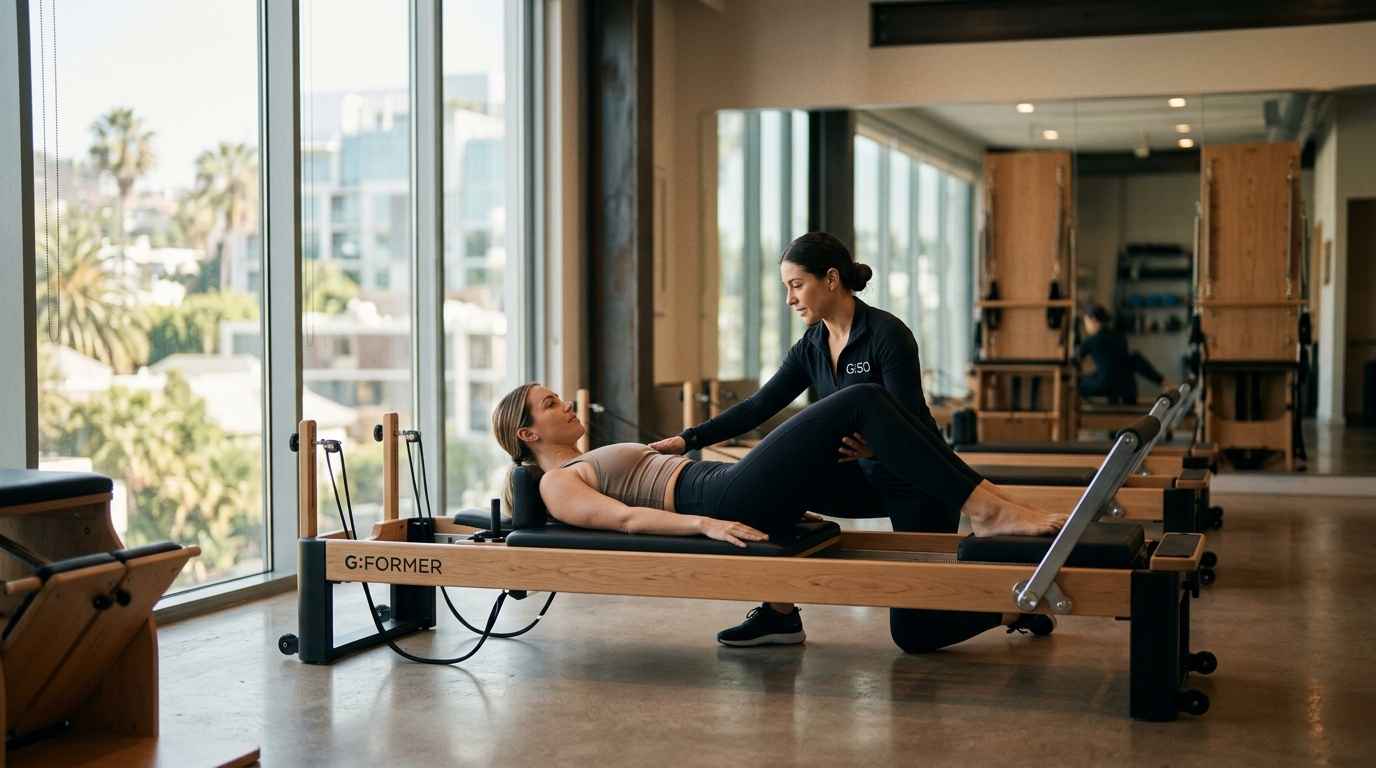
Studio quality is defined by coaching precision and equipment integrity, not just aesthetics. Many West Hollywood studios focus heavily on interior design and social media presence, which can obscure the actual quality of instruction. A high-quality studio ensures that every client, regardless of experience level, receives individualized attention. You should look for studios that emphasize controlled movement and proper alignment over high-speed repetition.
Coaching Ratio and Attention
The ratio of coaches to clients is the single most important metric for beginners. In large group classes, a coach cannot correct the form of every participant. Look for studios that maintain a low client-to-coach ratio, ensuring that your posture and breathing are monitored in real-time. This level of attention prevents the development of bad habits that can lead to discomfort or injury.
Equipment and Safety
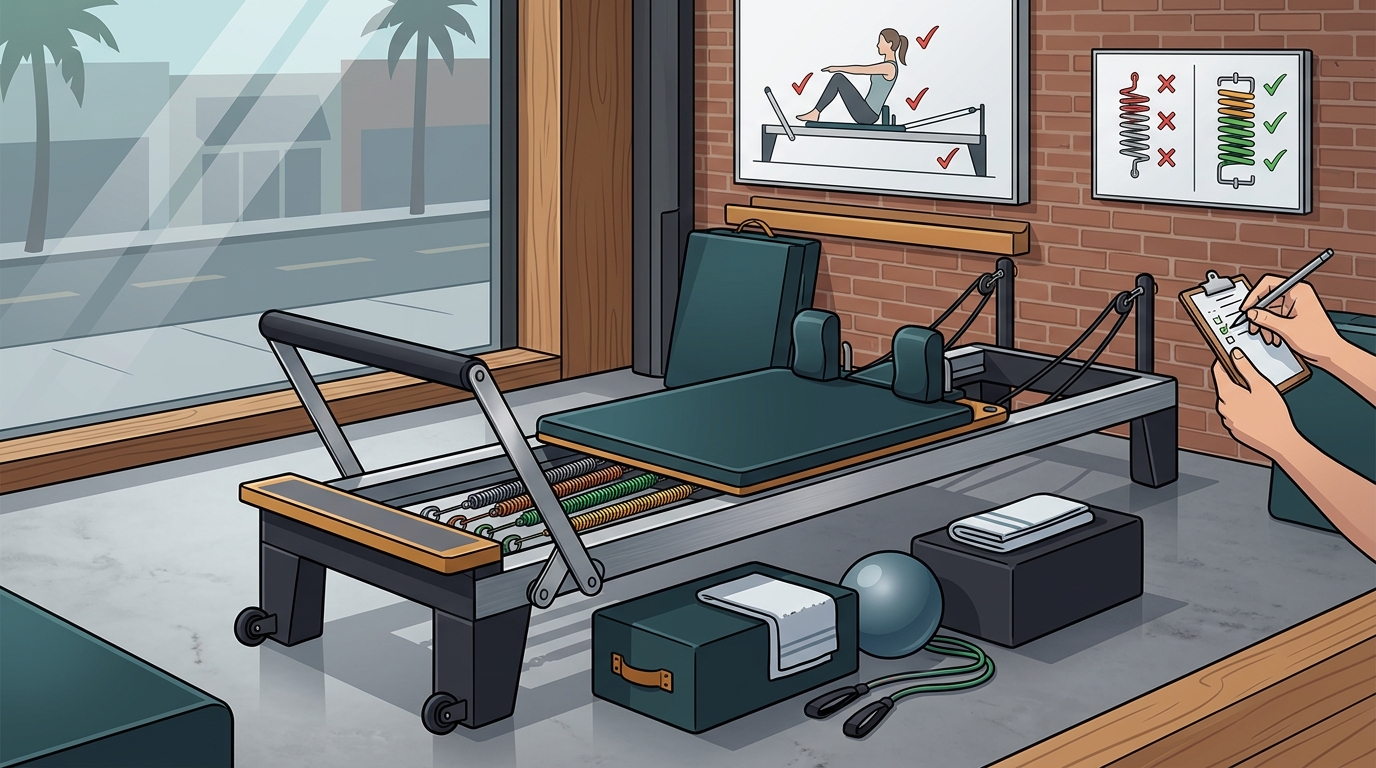
Reformer Pilates relies on specialized equipment. The condition of these machines matters. A good studio maintains its equipment rigorously, ensuring that springs, straps, and foot bars are secure and functional. You should observe the cleanliness and mechanical integrity of the machines during a visit. If equipment appears worn or poorly maintained, it is a significant red flag for safety and hygiene.
What to Ask: Specific Questions Before Committing
Do not rely on the website description alone. Visit the studio and ask specific questions to gauge their operational standards. These questions will reveal how the studio handles beginners and whether their culture aligns with your goals.
Key Questions for Beginners
- What is the coach-to-client ratio? This determines how much individual feedback you will receive.
- How do you handle modifications? Ask how they adjust exercises for clients with limited mobility or previous injuries.
- What is the cancellation policy? Understand the financial commitment before purchasing a package.
How to Verify: Checking Credentials and Claims
Credential verification is the process of confirming that a coach has completed recognized training programs. The Pilates industry is not strictly regulated by a single global body, so standards vary. You should ask for the specific certification a coach holds. Reputable certifications require hundreds of hours of training and practical assessment.
Checking Certifications
Ask the studio to provide the names of the certifying bodies for their coaches. You can then search for these organizations online to verify their reputation. Avoid studios that use vague terms like "experienced" without naming a specific certification. A transparent studio will be happy to share their coaches' credentials and training backgrounds.
How It Works: The Beginner Experience
Understanding the structure of a class helps you prepare mentally and physically. A typical beginner session follows a logical progression from warm-up to cool-down, with a focus on learning movement patterns.
Class Structure
Progression Model
Progression in Pilates is incremental. You do not simply add weight; you add complexity. A beginner might start with basic footwork and arm movements. As you master these, the coach will introduce more complex sequences or increase the resistance. This intelligent progression ensures that you are always challenged but never overwhelmed.
What It Costs: Price Drivers and Value
Pilates in West Hollywood commands a premium price due to the high cost of real estate and specialized equipment. Understanding what drives the price helps you evaluate value.
Price Factors
| Factor | Impact on Price | Why It Matters |
|---|---|---|
| Location | High | West Hollywood rent is among the highest in the US, which is passed on to clients. |
| Equipment | Medium | High-quality reformers are expensive to purchase and maintain. |
| Coach Experience | Medium | Senior coaches with advanced certifications often command higher rates. |
When evaluating cost, consider the total value. A slightly more expensive class with a low coach-to-client ratio may provide better long-term results than a cheaper class with minimal supervision.
What Goes Wrong: Common Beginner Mistakes
Beginners often make mistakes that hinder their progress. Recognizing these pitfalls can help you avoid them.
Common Errors
- Chasing Intensity: Trying to keep up with advanced clients can lead to poor form. Focus on control, not speed.
- Inconsistent Attendance: Pilates requires consistency to build neuromuscular connections. Skipping classes slows down progress significantly.
- Ignoring Feedback: If a coach corrects your form, listen. Their goal is to ensure you are moving safely and effectively.
Versus Alternatives: Pilates vs. Other Modalities
Pilates is often compared to other fitness modalities. Understanding the differences helps you choose the right tool for your goals.
Pilates vs. Traditional Gym
Traditional weight training focuses on maximal strength and hypertrophy. Pilates focuses on core stability, flexibility, and controlled movement. Pilates is generally lower impact, making it suitable for those recovering from injury or seeking joint-friendly exercise. However, it may not provide the same level of maximal strength gains as heavy weightlifting.
Pilates vs. Yoga
Yoga emphasizes flexibility, balance, and mindfulness. Pilates emphasizes core strength and controlled movement. Many people practice both, as they complement each other well. Pilates can improve the stability needed for advanced yoga poses, while yoga can enhance the flexibility required for Pilates movements.
For Specific Situations: Tailoring Your Approach
Your specific fitness goals and physical condition should influence your choice of studio and class type.
Post-Injury or Rehabilitation
If you are recovering from an injury, look for a studio with coaches trained in rehabilitation or corrective exercise. They can modify movements to protect your healing tissues while still providing a workout. Always consult with your physician before starting any new exercise program.
Athletic Performance
Rules and Protections: Your Rights as a Client
As a client, you have certain rights and protections. Understanding these helps you navigate your relationship with the studio.
Contractual Rights
Local Specifics: The West Hollywood Landscape
Timing: When to Start and How It Affects Outcomes
Timing your start can impact your initial experience. Starting at the beginning of a month or quarter can help you establish a routine. However, the most important factor is consistency. Starting now is better than waiting for the "perfect" time.
Seasonal Considerations
Some studios may have higher demand during certain times of the year. Booking in advance can ensure you get the class times that work best for your schedule. If you are new to the area, consider visiting a few studios to find one that fits your lifestyle and commute.
Results Over Time: Measurable Progress
Progress in Pilates is often subtle at first. You may not see dramatic changes in your body immediately. However, you will likely notice improvements in posture, core strength, and flexibility within a few weeks. Over several months, these improvements can lead to significant changes in your overall fitness and well-being.
Long-Term Benefits
Consistent practice leads to long-term benefits, including improved balance, reduced risk of falls, and better body awareness. These benefits extend beyond the studio, improving your daily movements and activities. Individual results vary, but the cumulative effect of consistent, well-coached Pilates is profound.
Key Takeaways
- Choose a studio with a low coach-to-client ratio for better individual attention.
- Verify coach credentials by asking for specific certification names.
- Focus on technique and control rather than intensity when you are a beginner.
- Understand the price drivers, including location and equipment quality.
- Avoid common mistakes like chasing intensity or inconsistent attendance.
- Consider your specific goals, such as rehabilitation or athletic performance, when choosing a class.
- Read the terms of service carefully to understand your rights and protections.
- Be patient with progress; improvements in posture and strength often take time.
Frequently Asked Questions
Is Pilates suitable for complete beginners?
How many classes per week should I take as a beginner?
As a beginner, it is recommended to start with one or two classes per week. This allows your body to adapt to the new movements and prevents overtraining. As you become more comfortable, you can gradually increase the frequency.
What should I wear to a Pilates class?
Wear comfortable, form-fitting clothing that allows the coach to see your alignment. Avoid loose clothing that can get caught in the equipment. You will typically need to remove your shoes, so wear socks or be prepared to go barefoot.
How much does a Pilates class cost in West Hollywood?
Can I do Pilates if I have back pain?
Many people with back pain find relief through Pilates, but it is essential to consult with your physician first. Look for a studio with coaches trained in corrective exercise who can modify movements to accommodate your condition.
How is Pilates different from yoga?
Pilates focuses on core strength and controlled movement, while yoga emphasizes flexibility, balance, and mindfulness. Both are beneficial, and many people practice both to complement their fitness routine.
Do I need to book in advance?
Yes, most boutique Pilates studios require you to book in advance. Class sizes are limited to ensure a low coach-to-client ratio, so popular times can fill up quickly.