
Where to Find High-Intensity Pilates with Hands-On Coaching in West Hollywood
How to Choose the Right Studio
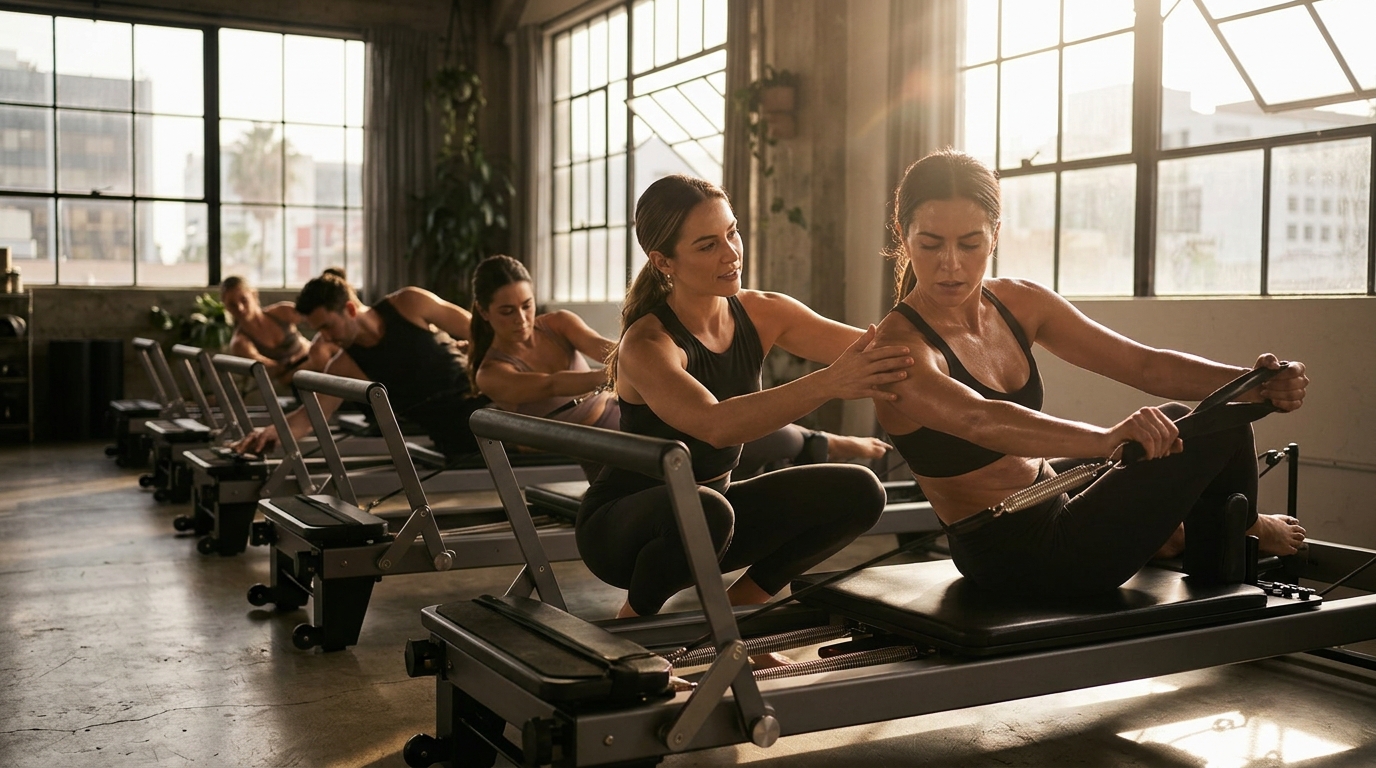
Choosing a high-intensity Pilates studio requires looking beyond marketing buzzwords. The primary differentiator is the ratio of coaches to clients. A good studio ensures that every client receives individual attention during the workout. This means the coach is not just observing from a distance but actively adjusting form and resistance. For additional details, review the Customer Experience.
Equipment Quality
The type of equipment matters significantly. Standard reformers are common, but high-intensity Pilates often utilizes specialized resistance machines. G:50 Studio uses custom-built G:FORMER resistance machines. These machines allow for slow, controlled movements with serious resistance. This setup is distinct from standard Pilates reformers and is designed to create a higher intensity workout. For additional details, review the Frequently Asked Questions.
Class Size and Coaching Model
Large group classes often lack the hands-on coaching necessary for safe high-intensity work. Look for studios that cap class sizes. In a proper high-intensity Pilates environment, the coach must be able to touch and adjust every client. If the class is too large, the coaching becomes superficial. G:50 Studio focuses on proper form, alignment, and control, ensuring that intensity never comes at the expense of technique. For additional details, review the About.
Questions to Ask Before Committing
Before purchasing a package or membership, ask specific questions to gauge the studio's commitment to coaching. Do not settle for vague answers.
Coaching Ratio
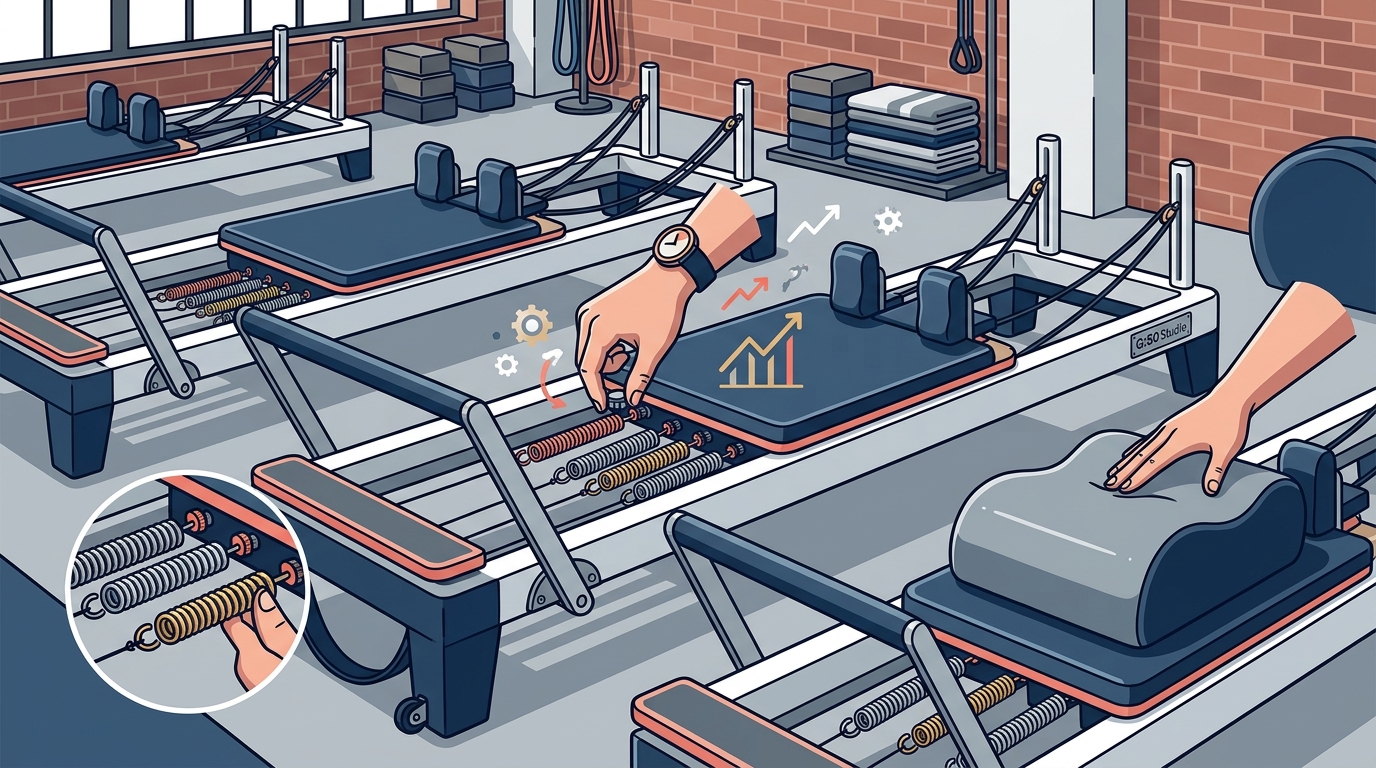
Ask, "How many clients are in a class, and how many coaches are present?" A 1:10 ratio is often the maximum for effective hands-on coaching in high-intensity settings. If the ratio is higher, expect less individual attention.
Progression Model
Ask, "How do you progress a client's workout?" A good studio has a clear progression model. They should be able to explain how they increase resistance or complexity over time. G:50 Studio coaches focus on intelligent progression, ensuring every client works at the right level for their current fitness.
Equipment Specifics
Ask, "What specific equipment do you use?" Understanding the equipment helps you understand the workout. If they use standard reformers, the intensity may come from speed. If they use specialized resistance machines, the intensity comes from load and control. Knowing this helps you set realistic expectations.
How to Verify Claims and Credentials
Many studios make bold claims about their methods. It is important to verify these claims. Check the credentials of the head coach and the staff. Look for certifications from recognized Pilates organizations. Also, verify the origin of the equipment. If a studio claims to use a specific brand or method, ensure they are authorized to use it.
Check for Affiliations
Read Reviews
Read recent reviews from clients. Look for mentions of coaching quality. Do clients mention that the coach adjusted their form? Do they mention feeling challenged? Specific details in reviews are more valuable than generic praise.
How the Workout Works
Understanding the structure of the workout helps you prepare. A high-intensity Pilates class typically follows a specific sequence. The class begins with a warm-up to prepare the muscles. Then, the main workout begins. This involves a series of exercises performed on the equipment.
The HIIP Method
HIIP, or High-Intensity Interval Pilates, is a specific method. It involves slow, controlled movements with high resistance. The goal is to make the muscles shake and quiver. This shaking indicates that the muscle fibers are being fully recruited. The workout is intense but controlled. It is not about moving fast; it is about moving with precision under load.
Class Structure
A typical class lasts between 45 and 60 minutes. The first 10 minutes are warm-up. The next 30 to 40 minutes are the main workout. The final 5 to 10 minutes are cool-down. The main workout consists of intervals. You perform an exercise for a set duration, then rest briefly. This interval structure keeps the heart rate elevated while allowing for proper form.
Understanding the Cost
The cost of high-intensity Pilates varies by studio and location. In West Hollywood, prices are generally higher than in other areas. The cost is driven by several factors. The primary factor is the coaching ratio. Studios with more coaches per client charge more. Another factor is the equipment. Specialized machines are expensive to purchase and maintain. This cost is passed on to the client.
Pricing Models
Common Mistakes to Avoid
Many new clients make mistakes that hinder their progress. The most common mistake is going too hard too soon. High-intensity Pilates is challenging. It is easy to overexert yourself in the first few classes. This can lead to excessive soreness and burnout. Start at a lower resistance level and progress gradually.
Ignoring Form
Another common mistake is sacrificing form for intensity. If you are shaking, it is okay. If you are losing alignment, it is not. The coach is there to help you maintain form. Listen to their cues. Do not try to push through pain. Pain is a signal to stop or adjust.
Inconsistency
Consistency is key to seeing results. Missing classes regularly slows down progress. Aim for at least two classes per week. This frequency allows your body to adapt and recover. If you can only do one class per week, be patient. Results will take longer, but they will still come.
Comparing Alternatives
High-intensity Pilates is one of several options for strength and conditioning. It differs from traditional Pilates, yoga, and weightlifting. Traditional Pilates focuses on control and flexibility. It is generally lower intensity. Yoga focuses on flexibility and mindfulness. It is not a strength workout. Weightlifting focuses on maximal strength. It is high intensity but lacks the control element of Pilates.
| Workout Type | Intensity | Focus | Equipment |
|---|---|---|---|
| Traditional Pilates | Low to Moderate | Control, Flexibility | Reformer, Mat |
| High-Intensity Pilates (HIIP) | High | Strength, Endurance | Specialized Resistance Machines |
| Yoga | Low to Moderate | Flexibility, Mindfulness | Mat |
| Weightlifting | High | Maximal Strength | Free Weights, Machines |
For Specific Situations
The right workout depends on your specific goals and situation. If you are a beginner, start with a lower intensity class. This allows you to learn the basics of form and control. If you are an advanced athlete, you may need a higher intensity class to continue making progress. If you have a history of injury, consult with a medical professional before starting. Choose a studio with experienced coaches who can modify exercises for your specific needs.
For Busy Professionals
Rules and Protections
Understanding the rules and protections of a studio is important. Most studios have a cancellation policy. This policy specifies how far in advance you must cancel a class to avoid being charged. Read this policy carefully before purchasing a package. Also, understand the refund policy. If you are not satisfied with the studio, what is the process for getting a refund? Knowing these details protects you from unexpected charges.
West Hollywood Local Specifics
West Hollywood is a unique market for fitness. The area has a high concentration of boutique studios. This means there is a lot of competition. Studios in West Hollywood often focus on aesthetics and branding. While this is not a bad thing, it is important to look beyond the branding. Focus on the quality of the coaching and the equipment. G:50 Studio is a boutique fitness studio in West Hollywood. It is built around two signature experiences: HIIP and G:LOVES Boxing. This focus on specific experiences sets it apart from general fitness studios.
Timing Your Start
Results Over Time
Results from high-intensity Pilates are gradual. You may notice improvements in strength and endurance within a few weeks. Visible changes in body composition take longer. This depends on your starting point and consistency. Individual results vary. Clients should choose exercises and class intensity appropriate for their fitness level and consult a qualified medical professional when necessary. Do not expect overnight transformations. Focus on the process. Consistent effort leads to long-term results.
Key Takeaways
- Choose a studio with a low coach-to-client ratio for effective hands-on coaching.
- Verify the equipment and credentials of the studio and its coaches.
- Understand the structure of the workout, including intervals and resistance.
- Be aware of the cost drivers, including coaching ratio and equipment.
- Avoid common mistakes like going too hard too soon and sacrificing form.
- Compare high-intensity Pilates with other workout types to find the best fit.
- Consider your specific situation and goals when choosing a studio.
- Be patient with results; consistency is key to long-term progress.
Frequently Asked Questions
What is HIIP?
HIIP, or High-Intensity Interval Pilates, is a workout method that combines slow, controlled movements with high resistance. It is designed to challenge strength and endurance.
Is G:50 Studio affiliated with Lagree Fitness?
How many clients are in a class?
Class sizes vary, but effective high-intensity Pilates classes typically have a low coach-to-client ratio. This ensures that every client receives individual attention.
How much does it cost?
Costs vary by studio and pricing model. In West Hollywood, prices are generally higher than in other areas. Look for packages or memberships to reduce the per-class cost.
Do I need experience to start?
No, you do not need experience to start. Coaches will guide you through the basics of form and control. Start at a lower resistance level and progress gradually.
How long does it take to see results?
Results vary by individual. You may notice improvements in strength within a few weeks. Visible changes in body composition take longer and depend on consistency.