
Where to Find Small Fitness Classes with Personal Attention in West Hollywood
How to Choose a Small Class Studio
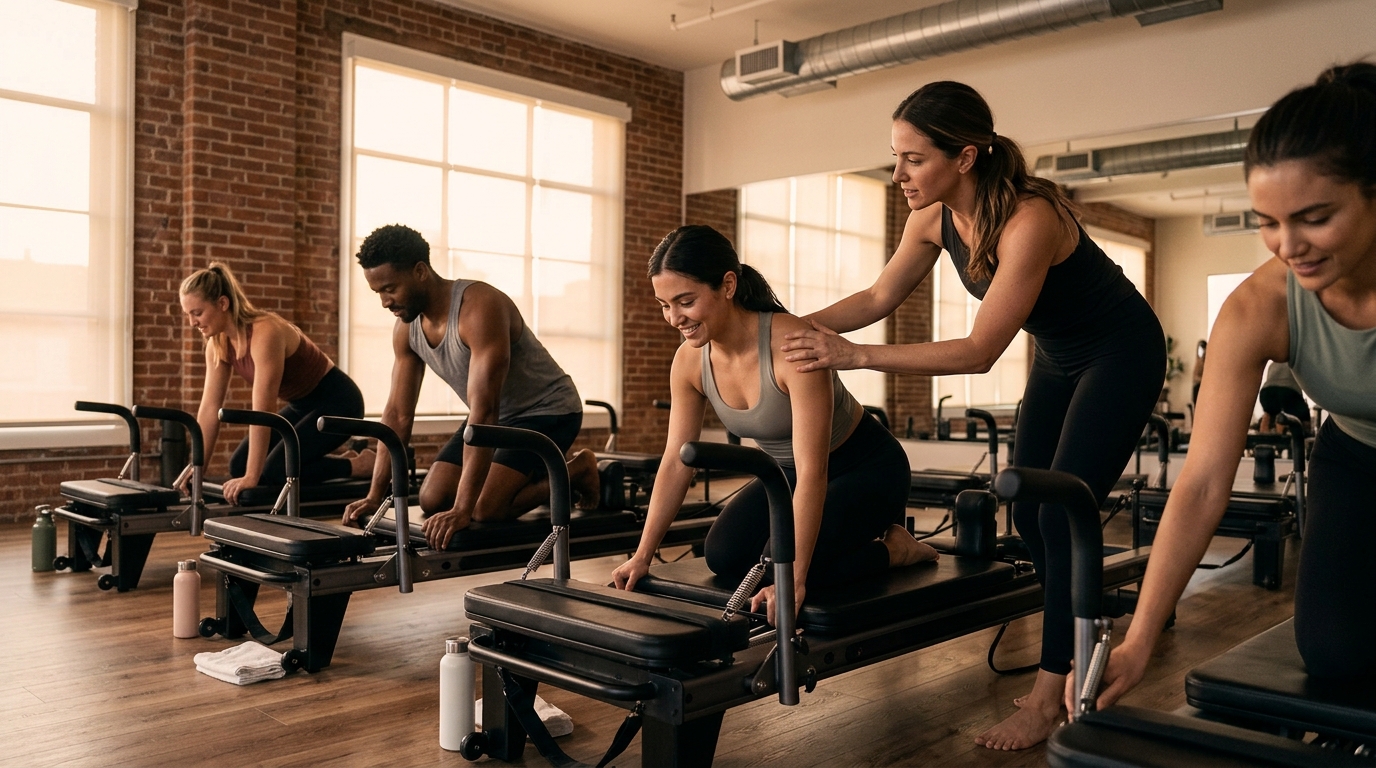
Choosing the right small class studio requires looking beyond marketing aesthetics. A small fitness class is a group training session with a limited number of participants, ensuring the instructor can monitor form and provide individual feedback. The primary differentiator is the instructor-to-student ratio. In large commercial gyms, one trainer might oversee twenty or more people. In a true boutique setting, the ratio is significantly lower, often capping at ten to fifteen participants per session. For additional details, review the Customer Experience.
Class Size Caps
Verify the maximum class size. If a studio advertises "small classes" but allows twenty participants, the personal attention will be diluted. Look for studios that enforce strict caps. G:50 Studio maintains small class sizes to ensure that every client receives the coaching necessary for proper alignment and intensity. For additional details, review the Frequently Asked Questions.
Coaching Philosophy
Examine the coaching style. Does the instructor shout generic cues, or do they adjust individual movements? A high-quality small class studio focuses on technique, alignment, and intelligent progression. The coach should be able to identify when a client is struggling with a specific movement pattern and modify the exercise accordingly. For additional details, review the About.
What to Ask Before Committing
Before purchasing a package or membership, ask specific questions that reveal the operational reality of the studio. Do not rely on the website description alone. Ask the front desk or a coach directly.
- What is the maximum number of clients in a class?
- How many coaches are present during a session?
- What is the cancellation policy for missed classes?
- How do you handle clients with different fitness levels in the same room?
How to Verify Claims and Credentials
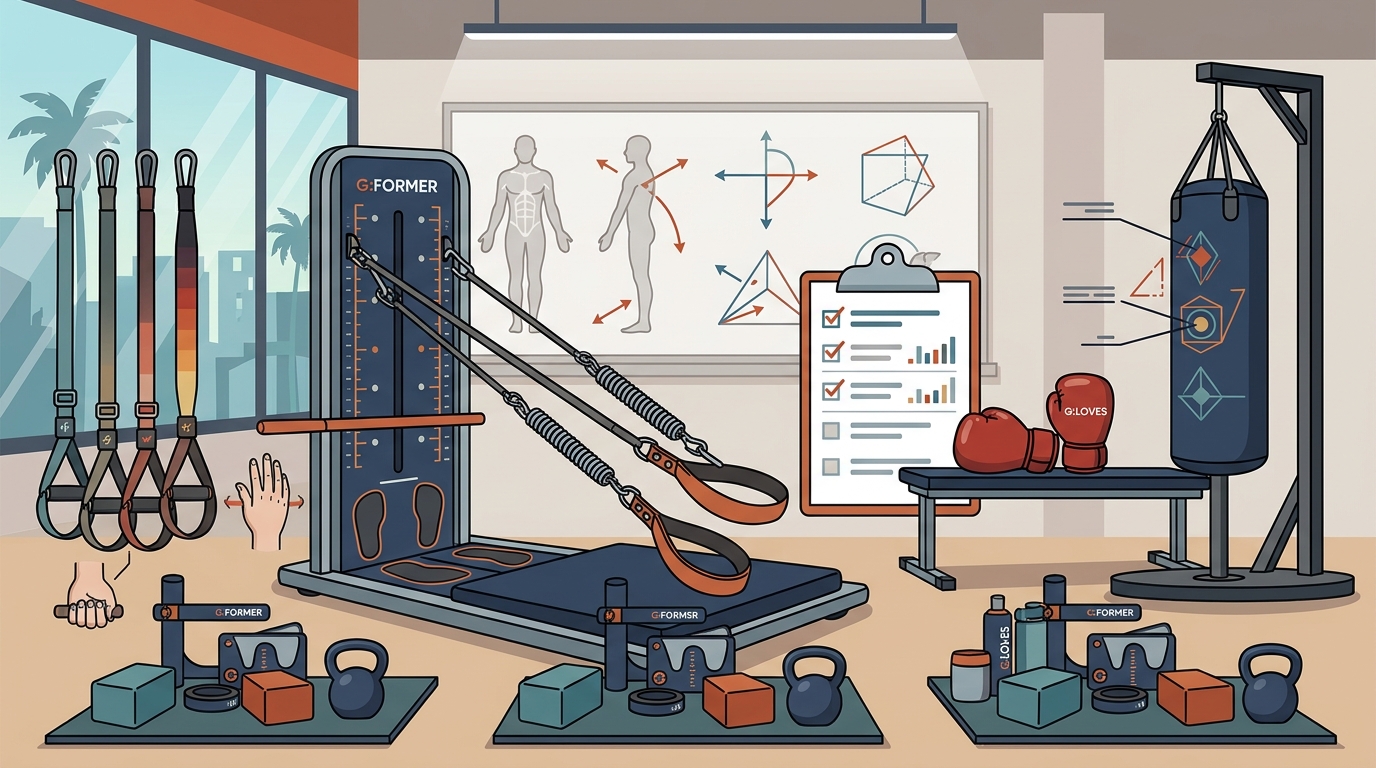
Verifying credentials is essential in the fitness industry, which is largely unregulated. A certified personal trainer is a fitness professional who has completed a recognized certification program and passed a standardized exam. Look for certifications from nationally recognized organizations. While specific certification bodies vary, the key is that the coach has undergone standardized testing in anatomy, physiology, and exercise prescription.
Check if the studio requires ongoing continuing education. A serious studio invests in its coaches' professional development. You can also ask for references or read verified reviews from other clients. Be wary of studios that cannot provide proof of certification or that rely solely on "experience" without formal training.
How the Class Experience Works
Understanding the workflow helps you prepare for your first session. A typical small class session follows a structured sequence. First, there is a check-in where the coach may ask about your goals or any physical limitations. Next, the warm-up prepares the body for the main work. The main block involves the specific training methodology, such as resistance training or boxing combinations. Finally, the cool-down helps the body recover.
The Role of the Coach
During the main block, the coach is actively moving around the room. They are not standing still. They are adjusting handles, correcting posture, and encouraging clients to push through the final repetitions. This active coaching is the hallmark of a high-quality small class.
What Drives the Cost
Pricing for small class fitness varies based on several factors. The primary driver is the cost of the equipment. Studios using specialized, custom-built machines often have higher overhead than those using standard gym equipment. This overhead is reflected in the class price. Additionally, the location plays a significant role. Studios in high-cost-of-living areas like West Hollywood typically charge more than those in suburban areas.
Common Mistakes to Avoid
Many clients make mistakes that hinder their progress. The most common error is choosing a studio based solely on location or aesthetics. If the class size is too large, you will not receive the personal attention you need. Another mistake is not communicating your goals to the coach. If you do not tell the instructor what you want to achieve, they cannot tailor the session to your needs.
Finally, avoid skipping the trial session. A trial allows you to experience the coaching style and the intensity level. If the class feels too chaotic or too easy, it may not be the right fit. Trust your instincts during the trial.
Small Classes Versus Alternatives
| Format | Class Size | Personal Attention | Cost per Session | Best For |
|---|---|---|---|---|
| Boutique Small Class | 10-15 | High | Moderate | Structured coaching with social accountability |
| Large Group Class | 20-30+ | Low | Low | High-energy cardio with minimal individual feedback |
| Personal Training | 1 | Maximum | High | Highly individualized programming and injury rehab |
Boutique small classes strike a balance between cost and attention. They provide the social aspect of group training with the coaching quality of personal training.
For Specific Fitness Situations
If you are a beginner, look for a studio that offers modifications. A good coach will provide scaled-down versions of exercises for beginners and advanced variations for experienced clients. This ensures that everyone in the room can work at their appropriate level.
Rules and Consumer Protections
Understanding the rules of engagement protects you as a consumer. Read the membership agreement carefully. Pay attention to the cancellation policy, the refund policy, and the terms of service. Most studios require a minimum commitment period, such as a monthly or quarterly package. Ensure you are comfortable with these terms before signing.
Check if the studio carries liability insurance. This protects both the studio and the client in the event of an injury. While injuries are rare in well-coached classes, it is a standard protection that reputable studios maintain.
West Hollywood Local Specifics
West Hollywood is a dense urban area with a high concentration of fitness studios. This density means you have many options, but it also means that quality varies widely. The local market is competitive, which can be beneficial for consumers as studios strive to differentiate themselves through service and quality.
Consider the commute. While West Hollywood is central, traffic can be heavy. Choose a studio that is convenient to your home or workplace to ensure consistency. Consistency is the most important factor in achieving long-term fitness results.
Timing Your Commitment
Results Over Time
Results from small class fitness are cumulative. In the first few weeks, you may experience improved energy levels and better sleep. Over several months, you can expect measurable changes in strength, endurance, and body composition. The key is consistency. Attending classes regularly and following the coach's guidance will yield the best results.
Track your progress. Keep a log of your workouts, noting the intensity and any improvements in performance. This helps you stay motivated and provides concrete evidence of your progress. Remember that individual results vary, and progress is not always linear.
Key Takeaways
- Small fitness classes are defined by limited participant counts and high instructor-to-student ratios.
- Verify class size caps and coaching philosophy before committing to a studio.
- Check coach credentials to ensure they hold recognized certifications.
- Cost is driven by equipment, location, and the level of individual attention provided.
- Read membership agreements carefully to understand cancellation and refund policies.
- Consistency and timing are critical for achieving long-term fitness results.
Frequently Asked Questions
What is the ideal class size for personal attention?
The ideal class size for personal attention is typically between 10 and 15 participants. This allows the coach to monitor form and provide individual feedback without being overwhelmed.
How do I know if a coach is qualified?
Look for certifications from nationally recognized organizations. Ask the coach about their training background and continuing education. A qualified coach will be able to provide proof of their credentials.
Is a small class better than personal training?
What should I expect in my first class?
Expect a check-in, a warm-up, the main workout, and a cool-down. The coach will guide you through each phase and provide modifications as needed. Do not be afraid to ask questions.
How much do small class fitness sessions cost?
Costs vary by location and studio. In West Hollywood, expect to pay a premium for high-quality coaching and specialized equipment. Compare the cost per session to other fitness options to determine value.
Can I switch between different types of classes?
Many studios allow you to switch between different class types. Check the studio's policy on class switching. Some studios may require you to book specific class types in advance.
How long does it take to see results?
Results vary by individual. You may notice improvements in energy and sleep within a few weeks. Measurable changes in strength and body composition typically take several months of consistent training.
Conclusion
Finding small fitness classes with personal attention in West Hollywood requires careful evaluation of class size, coaching quality, and cost. G:50 Studio provides a dedicated environment for those seeking this level of individualized coaching through its HIIP and G:LOVES Boxing programs. By verifying credentials, asking the right questions, and committing to consistency, you can find a studio that aligns with your fitness goals. Start with a trial session to experience the coaching style firsthand.