
Corrective Exercise Programs
The Role of Resistance in Correction
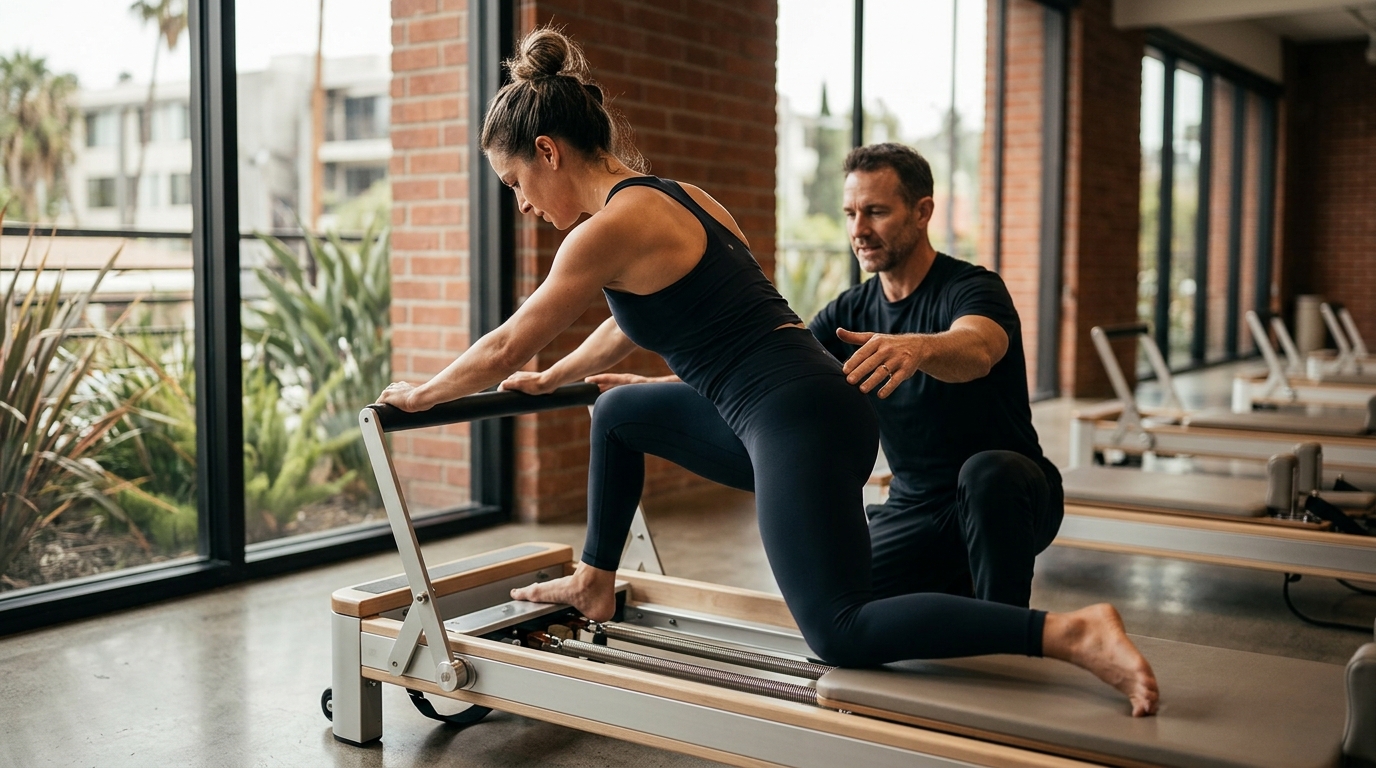
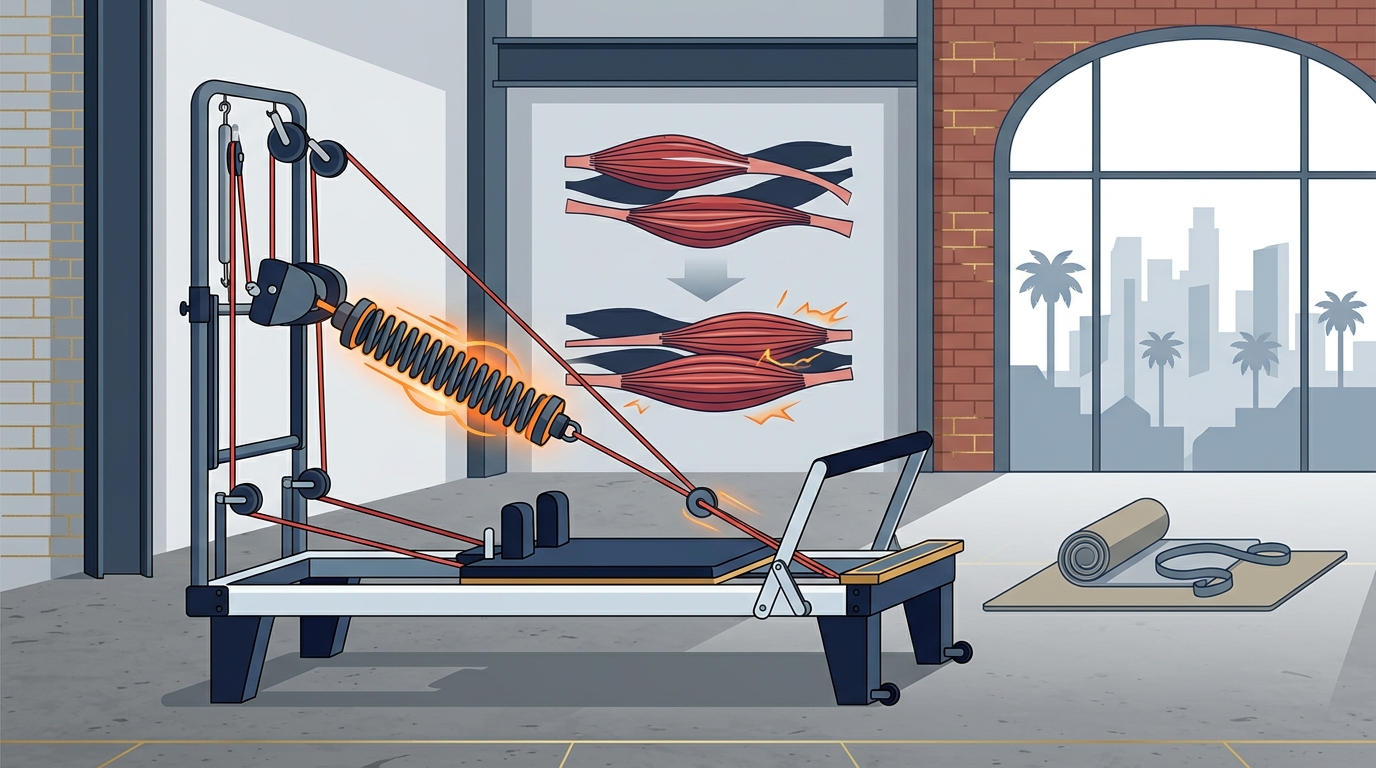
Traditional stretching often fails to correct imbalances because it does not challenge the muscle under load. G:50 Studio utilizes custom-built G:FORMER resistance machines to provide this necessary challenge. By applying resistance to specific movement patterns, coaches can identify where a client is compensating. For example, if a client has a weak gluteus medius, the resistance will make the hip drop during single-leg movements. The coach then adjusts the range of motion or adds cues to ensure the correct muscle fires. This intelligent progression ensures that every movement has a purpose. For additional details, review the 403 Forbidden.
Technique Over Intensity
Intensity at G:50 Studio never comes at the expense of technique. Our coaches are constantly focused on proper form, alignment, and control. This is critical for clients with muscle imbalances, as poor form can exacerbate existing issues. The high-intensity intervals are designed to challenge strength and endurance, but the foundation is always correct mechanics. Clients learn to move with precision, which is the first step in correcting long-standing imbalances. For additional details, review the .
Movement Assessments
A movement assessment is a diagnostic process used to identify specific limitations, compensations, and imbalances in a client's movement patterns. Before prescribing a corrective exercise program, it is essential to understand the root cause of the imbalance. At G:50 Studio, assessments are integrated into the coaching process. Coaches observe how clients move through various planes of motion, noting any deviations from ideal alignment. This observation allows for personalized coaching cues that address the specific needs of each individual. For additional details, review the Customer Experience.
Identifying Compensatory Patterns
Compensatory patterns are the body's way of avoiding pain or weakness by using other muscles. For instance, a client with tight hip flexors may overuse their lower back during a lunge. A movement assessment helps identify these patterns early. By recognizing that the lower back is compensating for the hips, the coach can design a program that focuses on hip mobility and glute activation. This targeted approach is more effective than generic stretching routines. For additional details, review the Frequently Asked Questions.
Continuous Monitoring
Assessment is not a one-time event. It is an ongoing process. As clients progress, their movement patterns change. Coaches at G:50 Studio continuously monitor form and alignment, adjusting the program as needed. This dynamic approach ensures that the corrective exercise program evolves with the client's body. It prevents the development of new imbalances and reinforces positive changes. For additional details, review the About.
Functional Strength Training
Functional strength training is a type of exercise that prepares the body for real-world activities by improving coordination, balance, and stability. It is not just about lifting heavy weights; it is about moving efficiently and safely. At G:50 Studio, functional strength is a core component of both HIIP and G:LOVES Boxing. These classes combine strength, conditioning, and athletic movement to create well-rounded athletes. The focus is on multi-planar movements that challenge the body in ways that mimic daily life and sports.
HIIP: Strength and Control
HIIP classes at G:50 Studio are designed to build serious strength while maintaining control. The slow, controlled movements on the G:FORMER machines require significant muscular endurance. This type of training is highly effective for addressing imbalances because it forces the body to stabilize under load. Clients learn to engage their core and stabilize their joints, which is essential for functional movement. The result is a stronger, more resilient body that can handle the demands of daily life.
G:LOVES Boxing: Athletic Conditioning
G:LOVES Boxing brings a different dimension to functional strength. It combines real boxing technique, heavy-bag work, and conditioning. This class is a full-body workout that challenges coordination, agility, and power. For clients with muscle imbalances, boxing provides a dynamic way to test and improve movement patterns. The constant change of direction and the need for balance on the feet help to develop stability in the lower body. It is a fun and effective way to build functional strength.
Program Comparison
The following table summarizes the key differences between the primary offerings at G:50 Studio. Each program serves a specific purpose in addressing muscle imbalances and building functional strength.
| Program | Primary Focus | Equipment | Best For |
|---|---|---|---|
| HIIP | Corrective strength, core stability, slow controlled movements | G:FORMER resistance machines | Clients seeking deep muscle engagement and precise alignment |
| G:LOVES Boxing | Functional conditioning, coordination, athletic movement | Heavy bags, boxing equipment | Clients wanting a dynamic, full-body workout with boxing technique |
| Personal Training | Individualized corrective exercise, movement assessment | Studio equipment, bodyweight | Clients with specific imbalances or injury history |
Key Takeaways
- Corrective exercise is a systematic process of retraining the nervous system to address muscular imbalances.
- Movement assessments are essential for identifying compensatory patterns and designing personalized programs.
- Functional strength training prepares the body for real-world activities by improving coordination and stability.
- G:50 Studio uses custom-built G:FORMER machines to provide resistance that forces proper alignment.
- Technique is prioritized over intensity to ensure safe and effective corrective exercise.
- Continuous monitoring and assessment are key to long-term progress and preventing new imbalances.
- Individual results vary, and clients should choose exercises appropriate for their fitness level.
Frequently Asked Questions
What is the difference between corrective exercise and stretching?
Corrective exercise involves active movement under resistance to retrain muscle recruitment patterns, while stretching is a passive activity that aims to increase range of motion. Corrective exercise is more effective for addressing imbalances because it challenges the muscle to work properly under load.
How does G:50 Studio address muscle imbalances?
G:50 Studio addresses muscle imbalances through a combination of movement assessments, corrective exercise, and functional strength training. Coaches observe movement patterns and provide personalized cues to ensure proper alignment and muscle engagement.
Is HIIP the same as Lagree?
No, HIIP is a signature workout at G:50 Studio that is distinct from Lagree. While both use resistance machines, HIIP is performed on custom-built G:FORMER machines and focuses on high-intensity intervals with a strong emphasis on technique and control.
Can I do boxing if I have never boxed before?
How often should I attend classes to see results?
Consistency is key. Most clients attend 2-3 times per week to see significant improvements in strength, balance, and movement quality. Individual results vary, and it is important to listen to your body and allow for adequate recovery.
Do I need to book in advance?
Conclusion
Addressing muscle imbalances requires a thoughtful approach that combines assessment, corrective exercise, and functional strength training. G:50 Studio in West Hollywood provides a specialized environment where you can focus on these key areas. Whether you choose HIIP for deep strength and control or G:LOVES Boxing for dynamic conditioning, you will benefit from the expertise of our coaches and the quality of our equipment. Come ready to work, shake, sweat, and leave stronger than you walked in. To plan your visit, . Learn more: 403 Forbidden.